


If the phrase NCLEX bowtie questions has you tied in knots, don’t worry—you’re not alone. These new Next Gen NCLEX (NGN) question types might look complicated, but once you get the hang of them, they’re actually kind of fun (yes, seriously).
In this post, we’re breaking down exactly what NCLEX bowtie questions are, how to tackle them without panicking, and how to use smart strategies to level up your test-taking game. Let’s get into it.

If you’re struggling with NCLEX test anxiety, we’re here to help! Meet Blueprint’s new Complete Self-Prep Package with 23 hours of video lessons, 2,000 Qbank questions, personalized study planner, and more.🤩 Get started FREE for 60 days!
🩺 What is an NCLEX bowtie question, anyway?
So you’re studying for the NGN, and suddenly—bam—a question shaped like a literal bowtie pops up. What gives?
Here’s the deal:
NCLEX bowtie questions are a new format that tests your clinical judgment on the NGN. Instead of picking a single answer from a list, you’re dragged into a real-life nursing scenario where you have to figure out:
- What’s happening with the client ?
- How do you address it?
- How will you know if it worked?
🎀 Why a “bowtie”?
The question is set up in a bowtie-shaped diagram:
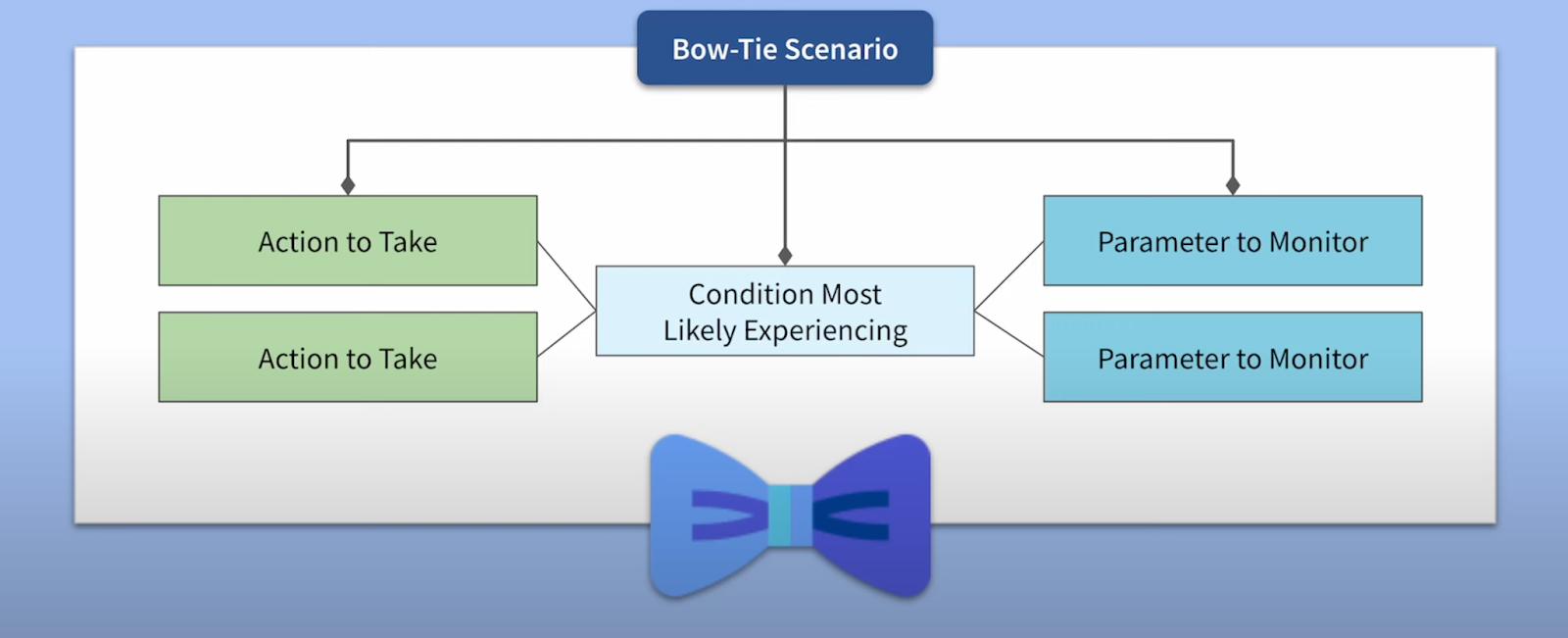
- In the middle, you pick the most likely condition the client is experiencing.
- On the left, you choose two actions to take.
- On the right, you select two parameters to monitor.
Before the bowtie diagram even shows up, you’ll usually scroll through a few tabs like nurse’s notes, client history, or lab results for extra information and context clues.
🧠 For a full breakdown of the different NGN question types, check out this blog post!
🔍 How to Approach NCLEX Bowtie Questions (Without Freaking Out)
Let’s walk through how to handle bowtie questions step-by-step using the example from Blueprint Nursing’s YouTube video:
Step 1: Read the Scenario Like a Detective
Before dragging any answers into the bowtie diagram, read all the info you’re given. It might include vitals, assessment findings, or chart notes.
As you’re reading, think: “What’s the biggest red flag here?” Take notes on your scrap paper if needed to help your brain stay organized.
Step 2: Identify the Primary Condition (Middle Box)
This is the core problem the client is most likely experiencing. Note this isn’t a diagnosis, but an educated guess about the client’s condition.
Example:
After reading the scenario, you realize the client is showing signs of hyperkalemia (high potassium levels). You drag the “hyperkalemia” token into the center box.
Step 3: Pick Two Actions to Take (Left Side)
Now, decide what you’d do right now to help this client .
Think: What’s going to stabilize the client ASAP?
Example actions for hyperkalemia:
- Administer IV calcium gluconate (protects the heart)
- Administer IV insulin (helps shift potassium into cells)
These are fast-acting and directly address the issue.
Step 4: Choose Two Parameters to Monitor (Right Side)
You’ve done the thing—now how do you know if it worked?
This section asks: What should you monitor to make sure your interventions are doing their job?
Example parameters:
- Basic metabolic panel (to track potassium levels)
- ECG rhythm (to check for cardiac changes)
Once you’ve made your picks, double-check everything to make sure it flows, like a story with a beginning, middle, and end.
Pro Test-Taking Tips for NCLEX Bowtie Questions
Alright, now that you’ve met the bowtie, here are some big-brain strategies to help you crush this part of the NGN.
✅ 1. Stick to the Flow: Problem → Action → Evaluation
Every NCLEX bowtie question follows the same logic:
- What’s the issue?
- What are you doing about it?
- How are you checking that it worked?
✅ 2. Use Your Whiteboard
Jot down symptoms, abnormal labs, or anything that stands out on your whiteboard. This helps you piece the puzzle together before you even look at the bowtie.
Bonus: Writing it out also keeps you from second-guessing later.
✅ 3. Think Like a Nurse
The NCLEX is no longer just about memorizing facts. It wants to know: Can you make safe, real-world decisions?
If an action sounds correct but isn’t urgent or essential, it’s probably not the right choice. Prioritize what’s immediate and what actually solves the core issue.
✅ 4. Don’t Get Distracted by “Shiny” Answers
Some answers look right but are just filler. If an option supports the client but doesn’t fix the primary issue, skip it.
Pro tip: Always ask, “Would this be my first move at the bedside?”
✅ 5. Practice NCLEX Bowtie Questions Until They’re Second Nature
Yes, the first few feel strange, especially if you’re just used to multiple-choice questions. But the more you do, the more your brain learns to recognize patterns, prioritize actions, and stay calm under pressure.
Try simulating real test conditions so you’re not thrown off on exam day. Practice with a timer, no distractions, and review your reasoning after each question.
Final Thoughts
So yes, NCLEX bowtie questions can feel intimidating at first! But once you get past the initial shock of the layout, you’ll realize they’re just testing the skills you already have: clinical thinking, prioritization, and client care.
So keep practicing, trust your instincts, and remember that you’re getting one step closer to becoming the real deal RN you’ve worked so hard to be. Now, go crush those bowties! 🩺🎀