
- How to approach physicians to ask to review your application
- How to rethink your narrative after a tough cycle
- How to navigate the emotional side of rejection so you can return more grounded, more confident, and ready to show admissions committees just how much you’ve grown.
What You’ll Learn:
- Why taking time to emotionally regroup after rejection is essential before diving into reapplying to medical school
- How pursuing clinical experiences that align with your interests creates more compelling application narratives
- The importance of MD mentors in helping you speak the language of medicine and highlight meaningful experiences
- Why rewriting your application from scratch often works better than incremental improvements to a rejected application
- How to frame activities you’re passionate about (like Ultimate Frisbee) as valuable components of your application
- What specific changes make the biggest impact when schools ask about improvements between application cycles
- Practical strategies for broadening your school list both geographically and by program ranking
More Free Resources:
Full Episode Transcript

Matthew: I think it’s very important to highlight the things that you’ve changed because there’s a greater lens that is being looked at your application. People really want to know that you’ve made meaningful changes. People really want to know that you have taken feedback and recognize there might have been gaps in your application.
Pooja: Is there anything else you felt like you were able to improve that ended up making the impact on your application that it did.
Matthew: There’s the temptation to use your old application because the bones are there. I actually really recommend just going through and like trying to prepare a new one from scratch and seeing like what improvements you can make in that way rather than incremental improvements to something that clearly didn’t work the first time unfortunately.
Pooja: The path to becoming a doctor is a whole range of things: exciting, confusing, anxiety-inducing, and gratifying, probably all at the same time. And the truth is that no matter how isolating it may feel, you’re not in it alone. Welcome to Pursuit of Practice, your go-to space for expert advice, real stories, and the kind of support that shows you what trusting the process actually looks like.
Hi everyone and welcome back to Pursuit of Practice. Getting into med school isn’t always a one-and-done process and that’s okay. For a lot of incredible doctors and med students, the path includes a detour or maybe even two or more. Today we’re going to be talking about reapplying to med school, what it looks like to regroup after a rejection, strengthen your application, and come back more prepared and more confident than before. We’ll hear from someone who’s been through that experience firsthand and talk about what they learned, what they changed, and how they handled the emotional side of starting over.
We’ll talk about how to identify what went wrong the first time, how to approach feedback, and how to keep your motivation and self-belief strong enough through the reapplication process. So whether you’re reapplying yourself, thinking about a future cycle, or just curious about what it takes to persevere through setbacks, this episode is all about turning a tough moment into a stepping stone.
Today, I have with me Matthew Yee, who is one of our many MCAT instructors at Blueprint. He went to UCLA for undergrad, where he majored in bioengineering, did his gap years at Stanford, where he did research in antiviral therapy, and is now at UMass, getting an MD-PhD, where he’s been in school for four years. In his free time, he’s either cooking or playing Ultimate Frisbee, and he’s been described as, surprise, surprise, a nerd, but is also really funny. Thank you so much, Matt, for coming on.
Matthew: Thank you for having me. It’s great to be here.
Pooja: Amazing. So let’s just dive right into it. I think I know this is a really personal conversation to be having, and so I just wanted to know a little bit about your journey with med school applications, and specifically, what happened the first time, and then what led you to that decision to reapply?
Matthew: Yeah, absolutely. So I applied for the first time one year after graduating from UCLA, and for those programs at that time, I was applying to MD-only programs. And I think for those who are reapplying, they probably feel something similar where there’s a real lack of closure when you are going through that process. I think that’s something that is a little bit under-emphasized. the fact that you’re probably on some wait lists, you’re waiting to hear back potentially about some interviews, and the process seems pretty long and drawn out until you’ve decided that it’s looking unlikely that you’re gonna get into a school during this cycle.
For me, I really took a step back. I think it is, I’m gonna give a lot of advice on not taking it too personally, but I think when you spend so much time prepping your application and really trying to put yourself forward in the best light, it is difficult to say like, oh, this isn’t a personal decision against me. So I took a step back. And for me, it was really finding what I wanted to do in medicine. I think I approached it a little bit burnt out coming in from the undergrad experience. And then I took some time to figure out what’s really important to me. I decided when I reapplied to pursue an MD-PhD, and I had a lot of really wonderful MD-PhD mentors that kind of guided me through the process and were really influential in motivating me to do that. So I applied about four years later to an MD-PhD. I did a lot of regrouping. We could definitely talk about that in a bit. And then after that, I matriculated about four years ago.
Pooja: Okay, well, congratulations on being able to not only overcome that, but also to get in. Again, UMass is a great school and an MD-PhD, no less, is very competitive. So clearly you took something and you made lemonade out of lemons, you know? So congratulations to you for that, first of all. I wonder to follow up a little bit on what you kind of talked about when you said that there was some lack of closure. And you said that at a certain point in the process, you realized, OK, this isn’t going to happen. How long did it take for you to realize that maybe you have to think about reapplying or regrouping?
Matthew: Yeah, so I think for me personally, it was around April. I was on a few wait lists. And April is the time where a lot of med students have to decide, if they have multiple acceptances, which acceptance they’re going to keep. And so there’s a lot of waitlist movements in April going into May. And so I was very hopeful at that point, but towards the end of May, definitely the waitlist movement declines pretty significantly. And you hear about outliers of people who get in in like June and July. And obviously I was hoping for that as well. But around May is when I decided, Oh, you know, maybe I should decide if I’m going to immediately reapply or if I’m going to take a step back and kind of think about what I’m going to do next.
Pooja: I also wanted to touch base a little bit on the fact that you took four years in between the first time you applied to when you applied the second time. What made you take four years specifically? And I guess, what did you do during that time? And what led you to taking that specific four-year period as opposed to something longer or shorter?
Matthew: Yeah, absolutely. So I took some time for a number of different reasons. One is about two years after I applied the first time, COVID happened. And well, there were a few things in the world that made it difficult to decide if I was gonna immediately reapply. And the other side is that I decided to do an MD-PhD. So I kind of had to rework my application and add a lot more research experience to my application and kind of work through that and figure out the best ways to present that. At the time, I was also really enjoying, honestly, having a nine-to-five work job. And I think I really wanted to experience that before devoting myself entirely to medicine. So those were the main reasons that I took so long to reapply.
Pooja: That’s so fair. I feel like it sounds like there were both external and internal factors that were influencing that decision. I wonder, at any point over those four years, did you consider, maybe I should just do research only? Maybe I should just drop the MD and either pursue the PhD or pursue research? And if that happened to you, what made you return to that decision of ultimately applying to medical school.
Matthew: Yeah, I definitely had options to completely leave the track of medicine. And so I, at one point, was considering taking a job at a big biotech company and potentially just leaving medicine. I think when I had that decision, it was really cathartic for me, because I decided that I really wanted to do medicine. I think there’s something for me that about the MD-PhD, that’s really exciting. Not being able to just be part of the research, but being able to see. like those impacts in patients and like those that you’re providing care for. And honestly, I look back at that experience quite a bit because, you know, when it’s tough in medical school, it’s nice being like, oh, I actually made this decision. I felt like I was. never like roped into it. This is something that I’ve been approaching like wholeheartedly since the beginning. in that school. And I think that is something that’s really beneficial for a lot of non-traditional students. I think they’ll experience that compared to some students who just haven’t had a time off since starting undergrad. And I think it can be very challenging for them once academics get hard, and they’ve been in school for so long. And this is really all that they’ve known. That’s a great question, and that was on my radar during that four years.
Pooja: Yeah, thank you for your honesty. I feel like it’s not easy to admit, yeah, I thought about not doing this, but here I am. I think it’s wonderful that you had that. I also think that it’s important to have some healthy level of, what are my alternative options. And I think we have some episodes on the interview process, but especially for people who take time off. And even if you don’t, a big question that gets asked during interviews, and I’m sure it was asked to you is, why are you pursuing this MD when you have alternative options? And so the fact that you have an answer, I think, signals a very strong applicant, especially if you’re someone who’s applying a second time. So I think it’s wonderful that you have that reflection. I’m sure it served you well during interview season.
Matthew: Yeah, absolutely. It was a question that’s asked, I think, of everyone. But I think it was something particularly asked of me just because I took so much time in between.
Pooja: Yeah, no, absolutely. I only took one gap year and it was asked of me. And I know some of my classmates who took zero gap years and it was asked of them too. And I think the more time you have, the more convincing your answer is because you did experience that other side, and you know that medicine is the right path. So that’s wonderful.
Matthew: Yeah. Thank you.
Pooja: So I wonder, I want to kind of look back at that first application process. So the next couple of questions will be focused on that specifically. Looking back, I know it was a long time ago, so definitely no worries if you don’t remember specific details. What do you think were the key factors that contributed to that initial outcome of being on waitlist but not necessarily getting into a particular school?
Matthew: Yeah, I think one thing for me was a lack of clinical experience. Actually having been adjacent to some of the admissions processes, I think clinical experience is something that a lot of students are stressed about in terms of like, is there a certain number of hours that I need to hit? Is there a certain number, is there certain types of clinical experiences that I should be doing? And in my experience, it was that the experience that I had, I don’t think had a lot of conviction in terms of like how I saw myself doing medicine in relationship to that experience. And so when I was reapplying and finding ways to augment that clinical experience, I did a lot of clinical experience that was adjacent to research. So essentially doing some clinical research or some patient-centered research and I was able to talk about these a lot in a lot more depth and a lot for more meaning during my primary application during my interviews than I think I was able to to really express based on my other clinical experiences.
Pooja: During my first application. Okay. So just so I’m clear, what were the first clinical experiences that you had during that first application? Was it mostly shadowing or what specifically did you do?
Matthew: There were certain programs that were offered at my school where it was close to shadowing. It was spending some time in different wards and really interacting with patients. And I think you can take a lot from that experience if you put yourself in the right environments and really pursue certain things. But I think for me, it wasn’t, I wasn’t able to get too much out of the experience. And I think that probably showed during my first application.
Pooja: Got it. Okay. So it wasn’t just the fact that… it wasn’t the nature of the clinical experience itself. It was the fact that you didn’t glean too much out of it, probably because it wasn’t something directly related to your interests and related to who you are. Okay. That that makes a lot of sense. And I think it’s something that we talk about a lot about really choosing something that is quality over quantity, not just doing something because you feel like the application wants you to, but more so doing it because it matters to you. And it sounds like that second experience that you did, the clinical research and the patient-related outcomes research, that was more meaningful to you. And so you were able to not only extrapolate more out of it, but also speak on it and write about it in the application process more meaningfully. Is that right?
Matthew: Absolutely. I think the more that you can really demonstrate your passion for certain things and how certain experiences really shaped your path through medicine. Obviously, the better it’s going to appear on the application, the more the people who are reading your application are going to be able to resonate with it.
Pooja: Yeah, absolutely, absolutely. I wonder, from that first application process, was there anything that you didn’t expect that happened?
Matthew: You know, I don’t remember too much about the first application process. I will say something that surprised me from the second application process, that I didn’t include. as much during my first application process is my Ultimate Frisbee experience.
Pooja: For sure.
Matthew: When I was applying the first time, I definitely under-emphasized how much time I spend on it and stuff like that. And I felt like, honestly, I got some of the most interesting questions, the most interesting responses when we were talking about Ultimate Frisbee, just because I had spent so much time on it. My brain was constantly just thinking Frisbee, Frisbee, Frisbee. And so I have a lot of like actually good responses, like meaningful responses that I could talk about and like how it shaped my life. And so I think that really ties back to that idea of, do things that you’re passionate about and they’ll actually like really shine on your application.
Pooja: Yeah, absolutely. I feel like it’s funny, Ultimate Frisbee, when we were actually drafting your bio for this, I asked you about the Ultimate Frisbee because it was interesting and I was curious about it. Your research and stuff was really cool, but I was like, what position are you in Ultimate Frisbee? And I think a lot of it has to do with the fact that when you’re a physician in training, you’re not just a doctor, you’re not just a medicine machine, right? You’re a person. And having those experiences like Ultimate Frisbee make you you. And I think people want to know about that during the application process. So it’s great that you emphasize that a little bit more.
Matthew: Absolutely.
Pooja: What made you specifically emphasize it during that second process? Was it just that you were doing it more and so it came up or was that intentional?
Matthew: No, it was pretty intentional. So I think, now that I think about it, one other thing from my first application process is that I had a lack of MD mentors. I had some mentors from my research from undergrad, but I didn’t have too many mentors who were directly in healthcare, who were able to really guide me through the application process. And so the second time I applied, I had a couple of MD PhD mentors who really pointed to this and said, this is a big part of your life. You should definitely put it on here. And there’s a lot of things that we could take away from it that are meaningful for healthcare. Like the leadership, because you led the team, the amount of commitment that you’re spending on it. You talk about the community and the culture a lot, just in our own personal conversations. So these are all things that you can definitely highlight. And these were things that I wasn’t thinking about the first time.
Pooja: Yeah, absolutely. It’s funny because sometimes you don’t think of something until someone points it out and then it seems so simple. But mentorship and feedback is really important. And that’s actually really nice that you mention it, because that was my next question, which is just mostly about, obviously, when you went through that first application process, there was some regrouping that you had to do. I was wondering, did you get any feedback during that time? Or was that something that you mostly got later on as you were approaching med school applications a second time?
Matthew: It was mainly during the second time. I think I got some advice from friends and family that you could potentially reach out to admissions people and see if they would respond. They’re busy, so I didn’t get too many responses on my application and stuff like that. But it was really when I was rewriting for the second time. I really had a chance to sit down with some MD-PhD folks who had been through it, obviously, to see what we should highlight, what things are important to say. How you can speak the language of medicine even though you aren’t in medicine yet. Those things I think are super important for the application because doctors are reading your application and they can recognize when you’ve been around other doctors who have decided to take you under their wing. And I think these are things that I didn’t appreciate my first time, and I think they were pretty important for me getting in the second time.
Pooja: Can you give some examples of the language that you use that you think ended up making a difference or that came directly from your mentors?
Matthew: My very first research experience at UCLA was point-of-care diagnostics. I tried to tie that into medicine when I was first applying. And I think the second time when I was applying for an MD-PhD, my mentors really emphasized the fact that this research should be intertwined, not only with the clinical side, but like it should go backwards. Like you should be able to glean things from your clinical side that really help the research. And it’s like a synergistic effect that really can connect the bench to the bedside. And I think those were things that a lot of my interviewers recognized, and they brought up those specific phrases as well, bench to bedside, and like streamlining these translational processes to really bring drugs to the clinic. And I think just like being able to talk about it in ways that my interviewers understood, I think really helped.
Pooja: Yeah, no, absolutely. That’s super helpful. So it sounds like it was more so translating the things that were very, very niche and very scientific so that physicians can understand the value of it. Is that sort of what the language was able to do?
Matthew: Yes, I think it’s part of that. I think also, you know, spending more time in the clinic, having really firm concepts of, you know, big ideas like patient care. autonomy and like patient privacy and like navigating through HIPAA through different research experiences. I think those were also like important because they come up in MMIs as well and those types of interviews.
Pooja: Totally, totally. Okay, got it. So now I want to talk a little bit about what you specifically did to strengthen the application. So first let’s talk about the basics. Was there a difference in the number of programs you applied to between the first time you applied and the second time. I know that you were applying MD-PhD and that application process looks different, but was there any obvious differences in where you chose to apply between your first and second time?
Matthew: I definitely applied more broadly. I think not only just geographically, but in terms of the quota. quote-unquote prestige of a different program. So I made sure to have a range, both geographically and in terms of that on the ranking list. And I applied to a good number more. I don’t actually remember the actual number.
Pooja: Totally fair. Yeah, that’s totally fine. But it’s helpful to know that you broadening it help. In that second process of applying, were there programs that rejected you the first time and then picked up your application for an interview the second time? Or do you think that it was these new programs that you applied to that ended up looking at you and offering you an interview.
Matthew: Funnily enough, I think I had a bit of both, like definitely some new programs showed me a lot of love. And then also some old programs that I had reapplied to showed me some love on the interview trail as well. So I couldn’t tell you exactly how this came across to them. But it was definitely a nice thing to hear when I got those emails.
Pooja: Yeah, that’s super nice. It’s super validating, I’m sure, too.
Matthew: Absolutely, yeah. It’s kind of coming back from a four-year gap and saying like, oh, you know, this change really looks better to some people.
Pooja: Right, right. I wonder, in that process of either interviewing or putting in your secondaries, did you have to clarify specific changes that you made between the first time you applied and the second time? Or is that something that they were able to just put together.
Matthew: A lot of schools, and I think in the AAMC app itself, they ask you if you’re a re-applicant, if there are any significant changes. I could be wrong, just mainly in the supplementals. But it is, I think it’s very important to highlight the things that you’ve changed. Because I think as a re-applicant, you are simply looked under by like, there’s a greater lens that is being looked at your application. People really want to know that you’ve made meaningful changes. People really want to know that you have taken feedback and like recognize there might’ve been gaps in your application.
Pooja: Yeah, no, absolutely. It sounds like you made significant strides, honestly. So it’s very impressive that you were able to do that. And specifically, it sounds to me that you improved your research by expanding the amount of research you’ve done, changing your tune from applying MD only to MD PhD because it was more in line with your goals, and you refurbished some descriptions of the extracurricular things like the Ultimate Frisbee. Is there anything else you felt like you were able to improve that ended up making the impact on your application that it did?
Matthew: Yeah, I think through my experience with a different lab and my clinical experiences, I was able to get some pretty strong letters as well. I obviously worked with some of my mentors to refurbish my personal statement. So I think, especially if you’re reapplying, I think there’s the temptation to use your old application because the bones are there. But I actually really recommend just going through and trying to prepare a new one from scratch and seeing what improvements you can make in that way rather than incremental improvements to something that clearly didn’t work the first time, unfortunately.
Totally. Yeah, that makes a lot of sense. So for you, you just ended up creating the whole thing from scratch, it sounds like.
Matthew: Yeah, I tried. I tried starting with my initial essays before and I just decided, you know, I’m going to… It was four years ago. I just have a different way of thinking about all these things. I’m going to write about them all differently.
Pooja: Absolutely. Okay. And this is a question that I’m not even sure if I should be asking because it seems like it might be a little too insider, but forgive me. You said that you were able to get a lot more mentorship from the MD PhDs that you were around and your mentors, et cetera. Was there a pre-med advising group at your school that you were able to talk to at any point during all of this? Or did you tend to just resort to the people that you personally knew to offer you guidance and mentorship?
Matthew: Are we talking about the second time around or the first time around?
Pooja: I mean, both would be great.
Matthew: Yeah, so when I was at Stanford, I was a research associate. So there wasn’t a lot of extracurricular groups, I should say, that I could be a part of, I guess, if that makes sense. And then I know that some of the smaller colleges offer pre-medical advising. UCLA was a huge school. So in terms of official pre-med advising, I didn’t have much access to it. And so obviously, I think I could have had a leg up if my school had an official pre-med advising at the beginning, but at least I wasn’t aware of any when I was there.
Pooja: OK, got it. No, that makes sense. And again, I just ask it because I feel like some schools have it, some schools don’t. And sometimes I’ve heard people having mixed advice or review from those departments. And so I was just curious what your experience was with that. Thank you for clarifying that for me.
Matthew: Absolutely.
Pooja: So I want to transition a little bit now into some of the emotional aspects of this entire experience. I know that earlier you mentioned that your advice to other people is going to be to try not to take it personally. I wonder if you could elaborate a little bit more on that. Because a rejection at any point in your career can feel really personal. And so I wonder if you felt those experiences and those emotions, and were you able to overcome that in any way?
Matthew: Yeah, I mean, it’s absolutely an emotional time when you don’t get into med school the first time. And I think my advice overall would be, I’d say there’s three things that I’d suggest. One is to really take a breath. I think it’s. It’s completely understandable to think like, oh, I need to immediately start preparing my application for another cycle. I need to analyze what went wrong. But I think at that point, at least for me, I wasn’t emotionally ready to do that. And so I found it really helpful to find my support, really take a break from thinking about it, and then kind of approach it in a new light with a new mentality when I was doing it again.
I’d also say you probably shouldn’t rush. You should reach out to your mentors. You should reach out to anyone who can give you advice or feedback. And then really try to internalize that advice. I think the reason I say try not to take a rejection personally is that I think this year there were 60,000 people who were registered to take the MCAT. If you think, you know, let’s say 60%, even like just 60% of those folks decide to go and apply to med school, that’s just so many people that you’re competing with. It’s just becoming more and more of our competitive process. So sometimes I think it’s, it’s good to frame it as like, it’s less about you. And it’s more about this. everyone out there is so, so good. It’s like, it’s difficult to differentiate yourself. And so the theme of your reapplication should be like, how do I highlight things about me that are really outstanding in ways that are gonna catch people’s eyes? And so that’s kind of how I was thinking about it. And that was a lot of the advice that I got as well when I was reapplying. And then again, we’ve kind of talked about this, but really make sure that you make meaningful changes to your application. And like things that you can talk about in depth, things that you can bring up and say like, this is a significant part of my life too, and something that I am passionate about.
Pooja: Yeah, absolutely. Thank you for elaborating on that. And thank you for being vulnerable about your own experiences. It totally makes sense that you took a step back and you waited a little bit before you decided that it was time to be ready. I wonder, in terms of the mindset that you developed, people talk about, it almost feels like a buzzword now to say growth mindset. But I wonder if that specifically applied to you because you did have a setback and you did end up growing so much. I wonder if that ended up having a role in the four years between your first and second application.
Matthew: Yeah, I think I use growth mindset a lot as well when I teach, but I think what a growth mindset means to every single person is a little bit different. I think some people internalize that feedback very easily. And I think for me, it was difficult to separate that from the emotional aspect of it. And I think really, for me, just writing things down and then coming back to them later was really helpful. And I think there are different approaches for different folks. So growth mindset is actually a great word to use, but I think everyone should find their own approach to what really contributes to their growth mindset.
Pooja: Yeah, absolutely. Something that, and I don’t know if it’ll apply to you, so definitely correct me if this didn’t happen to you, but some people say that being able to separate their own self-worth from their achievements and realizing that a rejection or a wait list or whatever it might be, is not defining of your self-worth is really valuable and is something that can really help you when that comes to you. Because everybody gets rejected from something at some point. Even the best stellar applicants, they get rejected from certain schools, right? I wonder if that also has a role in this process of recuperating from getting rejected from medical school.
Matthew: Yeah, I think that definitely does. I think it’s a skill, honestly, that needs to be practiced. You can’t practice it without failing. I do think something that really helps now that I’m in medical school and I’m thinking about career and research is that I’ve heard a lot of talks from, say, my director, for example, when he kind of outlines like, the path in research is very difficult because you’re gonna fail a lot. And then he listed out the 20 odd grants that at the beginning of his career he didn’t get. And I think realizing that extremely successful people fail 20 times in a row at the beginning of their career is something that’s really like, I wanna say almost inspiring. But it’s just like, it puts things in context, right? Like, failing is not necessarily just a bad thing. It’s something that is just going to happen along the way.
Pooja: Isn’t there the Thomas Edison quote that’s like, didn’t he try like a million times to make the light bulb, and then he finally did it?
Matthew: I think you’re right.
Pooja: You know what I’m talking about? There’s a quote there somewhere. I’ll think about it. Well, by the end of this episode, I will try to remember it, and then we’ll say it, and then it’ll be really cool that we remembered it. But there is that idea that you’re mentioning, that success is not always a linear path. And being able to realize that is also super helpful as well. OK, great.
I wonder now if we could talk about the second application cycle and how you navigated it? I know that we alluded to it many times. But in more detail, could you tell us a little bit about how your approach to interviews and your approach to selecting schools Differed the second time around I know that we talked about applying more broadly, but since you had this MD PhD Additional layer, I wonder how else it was different Yeah
Matthew: So I think there are a couple of different ways to think about what schools to apply to. One if you are limited to a geographic area, then obviously you should look and see what schools are available in that area There’s also the MSAR I believe from the AAMC to compare statistics and you should definitely I think I definitely used that as a filter to understand like broadly what… to narrow down at least the list of schools that I was going to apply to. And then again, because I was doing an MD-PhD, I really focused on the research that each of these schools had and if there were, you know, at least a few PIs that I could see myself doing a PhD with, right? If they had either the mentoring experience, right? If they have PhD students in the lab, if the subject of their research was something that I could see myself doing, if there was just a good number of them, right? Just having one, unfortunately for me, it wasn’t enough because there’s always a chance you just don’t mesh personality-wise or they just aren’t able to take you. There’s all sorts of circumstances that could prevent you from ending up in someone’s lab that you thought you might have been in. And so those were the things that I was thinking about when making my list and deciding where to apply. As for interviews, it really depended. I think when I applied the second time, the MMI was much more popular. So there were more MMI’s, and I think the way that PhD admissions had changed a little bit, so I have almost separate, like completely separate days. Or excuse me, the MD-PhD experience interview was different from what I had done previously because there were multiple days of interviews. And so I did have to prep in different ways, make sure I really knew my research and understand kind of what research strengths the institution had and what they didn’t and ask good questions that could help me and help inform me on where I wanted to go.
Pooja: Totally, totally. And for our listeners, MMI refers to many multiple interviews or multiple mini interviews. I forget the order. But it’s essentially several structured interviews where you end up having to answer either ethical or social questions kind of in a row. So it’s less of a conversation between you and your interviewer. Oftentimes you’re interviewing either one person and they ask you a bunch of questions or it can be you kind of go from room to room in Zoom or in person or whatever you might be doing. But each person has a specific question that you ask and then you give your answer, they say thank you very much, and then you move on to the next person and you just keep going. So it is stressful in some ways for the applicant because you get less feedback, I found, on whether or not your answer was good. But it is nice in a way because I think they are little bit easier to prepare for and there’s also more that they’re also in a weird way they’re kind of more fun because you’re just answering puzzles sometimes so yeah. And then for those of you who have questions about that we have a whole episode in interviews, so stay on the lookout for that as well because we recommend it highly.
Okay so I also Matt just my final question before we talk about takeaways… also by the way I just want to let you know, I did find the quote from Thomas Edison. I had to Google it because I cheated. I couldn’t think of it myself. I couldn’t rely on a Jimmy Neutron style brain blast, to be honest. So I wanted to Google it. But it is, “I have not failed. I’ve just found 10,000 ways that won’t work.”
Matthew: I love that. That’s a that’s a great quote.
Pooja: Right, right. And I think that it goes a lot in line with what you were talking about, right? And how even your very successful mentors who have really established labs and have have all this NIH funding and all this other good stuff. They had to go through several times where they didn’t get the grant. And even for you, you had to apply to several different schools that didn’t take you their first time. And now you’re at an amazing program doing amazing things. And so I think it really goes in line with that. Because I think there’s a world where you could just say you are where you were meant to be. You just didn’t find it the first time.
Matthew: Absolutely.
Pooja: I wonder if you have any advice about tactics or perspectives for people who were in your shoes and thinking about how do you stand out the next time? For you, it seems like you really narrowed in on the research side of things and really refurbished that part of your application, among other things. What advice do you have for people on figuring out what they should do for the next time they apply?
Matthew: Yeah, I think that’s a great question. And I think it really depends on the person. I think spending a lot of time both by yourself and with friends and family who you trust to look at your application and some MD mentors as much as possible to really see what the weaknesses were from your previous application is step number one. And then step number two that I think at least really helped me is strengthening them and then highlighting them by connecting them to your own life, right? Making sure that you are very personal in the way that you are talking about them. Because people want to know you, right? That is the whole reason that they’re reading your application. And the things that make you stand out are the things that are very personal to you, right?
Is there a specific reason why you got into this type of research? Like, is there a specific experience in your life that really motivated you? Are there specific people that’s really motivated you to do this? What were the takeaways? How did it affect your life? I think those are very compelling things that people want to see when they’re reading your application. And really make it memorable because there’s a narrative behind them. As much as you can make your entire application a strong narrative that can be boiled down to like, oh, this person does a lot of like really strong public health work, for example, because they had this inspiration from a very young age. I think as much as you can get admissions committee members to bring that TLDR into their meetings, I think the more luck you’re gonna have.
Pooja: Okay, that makes a lot of sense. Are there any common mistakes that you see people make or that you were almost about to make but didn’t that you think can be avoided when people are applying that second time around?
Matthew: Yeah, we’ve talked about avoiding to talk about things you’re passionate about. Definitely do that. And then I do want to reiterate, you know, find the MD mentor. As much as I think it’s great to have your friends and family read over your application because they know you best. It’s also really helpful to have someone who’s been through the process. If you can’t find an MD Mentor, there are a lot of medical students who are always happy, I think, to help you out if you have access to them, if your network can connect you to one.
Pooja: Yeah, absolutely. You could also just listen to more episodes of this podcast as well, because we cover many topics like this one. But yeah, no, I completely agree. I feel like when you’re going through the process, you end up leaning so much into the mentors that all you want to do is pay it forward. I have this group. I’m sure you have it as you’re becoming more and more of a senior student, where you’re kind of advising mentees but sometimes the first or second years aren’t as eager to reach out to you to ask questions and I feel like every time I see them I’m just like please ask me questions I will help you I promise. I think a lot more people are like that than people think so it’s really not a bother to advise someone I think it gives everybody a lot of joy.
Matthew: Yeah I think that happens at all stages of training too. I have a lot of friends who are applying to residency and they’re like, oh man, I just like can’t imagine that these people want to help me out. I’m like, well, you would want to help out, you know, younger med students. You told me this all the time. So I think trying to put yourself in their shoes as well as like it can be really helpful and bridging that gap and like getting you to send that text or that email that you’re you’re hesitating to send.
Pooja: Yeah, absolutely. Absolutely. So with that said, I wonder, is there any single piece of advice or takeaway that you want to give to your listener who’s considering reapplying, considering this whole process and what you would say to them to keep their confidence and improve their strategies or honestly just give them the advice you wish you had when you were in their shoes?
Matthew: Yeah, it’s tough. But honestly, getting into medical school is the toughest part. So you absolutely have what it takes. Just take the time, approach it with some care, and really find people in your court that are going to help you out, because that’s the most important thing. It is easy to burn out at any stage of this career, and I feel like if you have a lot of support and you lean on that support, the happier you’re going to be throughout all of it.
Pooja: Yeah. Amazing. Amazing. I think my takeaway from this conversation, aside from all the brilliant things that you said and all the poignant advice, is the Thomas Edison quote, which I feel like sums it up really well, which is that I have not failed. I’ve just found 10,000 ways that don’t work, quote unquote, Thomas Edison. And just as a reminder to everybody who’s listening, first of all, thank you for listening to all of my sniffles and our conversation, but also just a reminder that it’s okay if success is not as linear as you thought it would be. It doesn’t mean it’s not going to happen. It just means that you haven’t found where you’re meant to be just quite yet. So Matt, I just want to say thank you so much for having this conversation with me. For those of you who stuck around to the end of this episode, thank you. Stay tuned to our next episode where we are going to be talking more about time management for medical students. And yeah, thank you very much everyone.
Matthew: Thanks so much for having me.
Pooja: Of course.
This is a podcast created by physicians and medical educators, but is in no way to be construed as medical advice. All of the opinions shared are those of individual people and are not reflective of their associated institutions or of Blueprint Test Prep.
That’s a wrap on this episode of Pursuit of Practice. Remember, you’re not in this alone. Head to blueprintprep.com for MCAT prep courses, board exam prep, free resources, and more to support every stage of your journey to and through medical school.
Meet Our Host
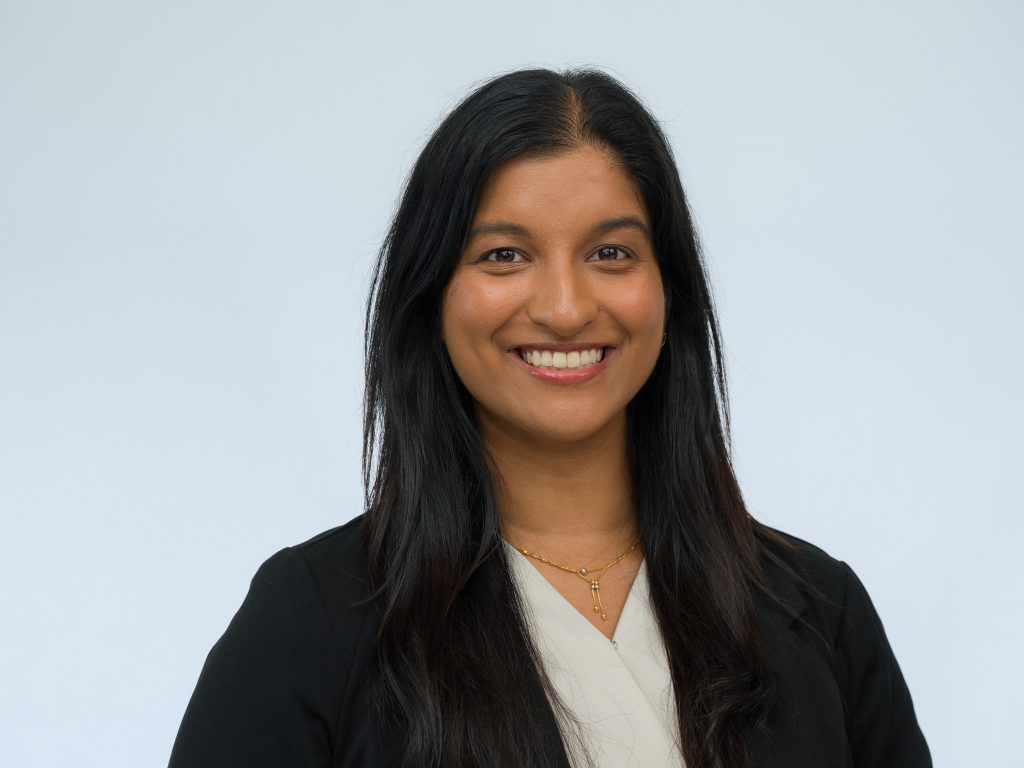
Pooja is a fourth-year medical student at Columbia University Vagelos College of Physicians & Surgeons applying to internal medicine residency. She’s been an MCAT instructor with Blueprint since 2020 and has tutored in the sciences since 2018. A Boston University graduate in Human Physiology, she also spent a year as a fellow on the CDC’s COVID-19 response. Pooja is passionate about equity in medical education and hosts this podcast to share mentorship-style advice with future physicians. She loves helping students discover how they learn best — and using that to help them reach their full potential. Outside of medicine, she enjoys musical theater, running, fitness, and cooking with friends.
Enjoy the Show?
Don’t forget to listen and subscribe on Spotify and Apple Podcasts.No matter where you are in your premed journey, Blueprint MCAT is here to help when you’re ready to take the MCAT. Whether you need the flexibility of a Self-Paced Course, the instruction of a live 515+ Course, or the 1:1 attention of a private MCAT tutor, Blueprint MCAT has the MCAT prep option that works for your learning style! Get started with a free MCAT diagnostic, one free practice exam, and tons more MCAT prep resources.