

So, you are ready to begin studying for the Law School Admission Test (LSAT). Congratulations! You have taken a big step toward becoming a lawyer. At this point, you have accepted that you will eventually have to choose the best LSAT prep for you, take some practice tests, and request LSAT accommodations if you qualify. But there’s still one lingering question: Where/How do I begin my LSAT prep journey?
Enter: the LSAT diagnostic test.
What Is an LSAT Diagnostic Test?
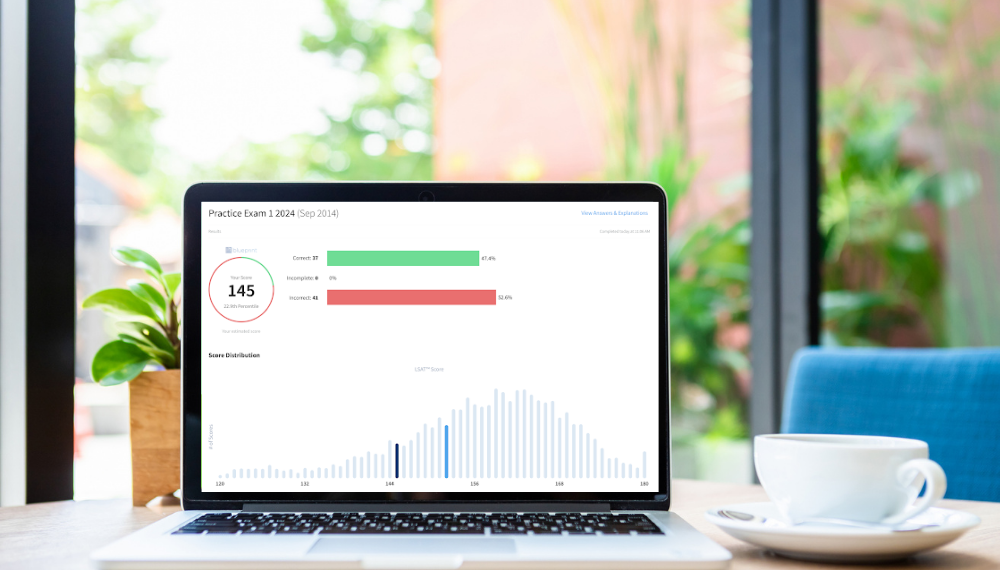
An LSAT diagnostic test is a full-length, previously released official LSAT exam that you take before you begin studying for the LSAT. The goal isn’t to get a perfect or even high score—it’s to get a baseline of your performance. An LSAT diagnostic test gives you a snapshot of your current LSAT score range potential, your strengths, weaknesses, and your natural test-taking tendencies. This information helps you figure out where you should spend the most time studying, as well as how much time you will need to hit your goal score.
Further Reading
Don’t Worry About Your LSAT Diagnostic Test Score
What happens if you get a low score on your diagnostic test? That’s to be expected! Your LSAT diagnostic test score probably isn’t going to be anywhere close to your goal LSAT score. That’s totally normal! The LSAT is probably drastically different from any standardized test you have taken before. You just haven’t learned the language yet. Don’t sweat it. That’s precisely what LSAT prep is for!
Where Do I Find an LSAT Diagnostic Test?
There are three things you are looking for in a diagnostic exam:
- Uses a real, released LSAT exam. Diagnostic LSAT tests are real Law School Admission Tests that previous test takers took, and then were released by the Law School Admission Council (LSAC) for students to use as official LSAT practice tests. Only official exams released give you an accurate representation of difficulty and content.
- Replicates the official LSAT interface. The more closely the diagnostic matches the actual test environment, the more realistic the experience will be.
- Provides detailed analytics and explanations. Simply taking a diagnostic exam and getting your score with no feedback isn’t very helpful. Look for a diagnostic that gives you a breakdown of your performance (the question types you struggled with, how many times you switched from a right answer to an incorrect answer, etc.) when you’re done, and includes explanations to the questions.
⭐️ These three criteria are why we recommend taking Blueprint’s free diagnostic test.
- It’s a real LSAT from a prior administration.
- The interface is built to mimic the actual LSAT.
- You get a full score breakdown + advanced analytics showing your pacing, accuracy, and improvement opportunities.
- You get written and video explanations for the questions.
Best of all? It’s 100% free when you create a Blueprint LSAT account.
How to Take an LSAT Diagnostic Test
Although your LSAT diagnostic test is essentially just a practice test, you should still take it seriously. Here’s how to make it count:
✅ Take It Before You Start Studying
Yes, even if you feel unprepared or don’t even know the difference between LSAT and LSAC yet. The whole point is to test where you’re starting from, not what you’ve already learned. You’ll take more practice tests throughout your prep that will help you track and improve your performance.
✅ Take It Timed and In One Sitting
The LSAT is a mental marathon. To get a realistic baseline score, it’s important to simulate test-day stamina. That means taking the test in a quiet room by yourself and following the LSAT test day timing rules:
- Section 1: 35 minutes
- Section 2: 35 minutes
- 10-minute break
- Section 3: 35 minutes
- Section 4: 35 minutes
💡 Pro Tip: Read This Before You Take Your LSAT Diagnostic Test
✅ Use A Realistic LSAT Interface
Make sure the platform you test on mimics the official LSAT interface so there are no surprises on test day.
✅ Review Your Results Carefully
Once you’ve finished your LSAT diagnostic test, take some time to analyze your performance. Don’t go too deep into your review right away. On the same day, it’s best to just get a general sense of your score and how LSAT scoring works. Look at the question types that gave you trouble. Did you rush through Reading Comprehension? Skip any questions? These patterns offer valuable insight into how you should structure your prep.
Then, come back the next day with fresh eyes to dive into your detailed results. This is when you should focus on identifying your strengths and weaknesses, and review all the question explanations.
What Should You Do After Your LSAT Diagnostic Test?
Your diagnostic test is the beginning, not the end. After you get your results:
- Create a study plan based on your results, or use Blueprint’s Study Planner Tool.
- Choose an LSAT prep course or tutor based on your learning style.
- Set a realistic LSAT test date that gives you time to improve.
- Use your diagnostic score as a way to track growth, see how far you’ve come, and give yourself a motivation boost!
And remember, your diagnostic score is a starting point, not a prediction of your future score. With the right prep, it’s absolutely possible to raise your score by 10, 15, even 20+ points.
Sign up to get expert tips and exclusive invites to free LSAT classes and law school admissions workshops!
Final Thoughts
Taking an LSAT diagnostic test may feel intimidating, but it’s actually one of the most empowering things you can do. It gives you clarity, direction, and a sense of control over your LSAT journey. Plus, it helps kick everything off, and that’s exciting in itself!
So before you watch your first LSAT prep video or dive into a prep course, start here. Take your diagnostic. Get your baseline. Then build your plan with confidence.
🧠 Ready to get started? Blueprint LSAT students increase their LSAT scores by 15 points on average. Whether you want the flexibility of a Self-Paced Course, prefer to navigate the LSAT with instructors in a Live Course or 170+ Course, or even private LSAT tutoring, we have the study method that fits your learning style.