
Pursuit of Practice Podcast Episode #2: How to Survive Applying to Medical Residency: From ERAS Application to Match Day
The residency application process can feel like navigating uncharted territory. Every fourth-year medical student knows the weight of crafting an application that stands out while staying authentic. Kenedy Dawson, an anesthesiology resident at the University of Oklahoma, remembers the anxiety around whether she was doing enough, being impressive enough, or making the right choices.
In this episode of Pursuit of Practice, Pooja, Blueprint MCAT instructor and MD candidate, talks with Dr. Dawson to uncover the strategies that helped her successfully match into anesthesiology. Dr. Dawson shares how she created a cohesive application by focusing on core themes, rather than trying to be everything to everyone. You’ll learn the surprising reality of residency interviews, where conversations about your favorite music and coffee shops often matter as much as clinical knowledge, and why putting your authentic self forward attracts programs that will actually support you as a person.
Wherever you are on your journey to becoming a physician, you’ll discover practical strategies for presenting yourself authentically while managing the inevitable stress of this transformative journey.
What You’ll Learn:
- How to identify and showcase 2-3 core themes throughout your entire residency application.
- Why medical residency programs care about your hobbies and personality, not just your test scores, during interviews.
- The specific questions you should prepare for every residency interview (and which ones to ask your interviewers).
- What small details matter during virtual interviews.
- How to combat imposter syndrome during your transition from medical student to intern.
- Why asking questions constantly as a new resident shows competence, not weakness.
- Practical strategies for managing burnout and finding joy during challenging rotations.
More Resources
Full Episode Transcript
Kenedy: You deserve to be there. You have the knowledge that you need to have. In this moment, it feels like it’s not enough, but I promise you will have so many backups available to you. As an intern, you are being watched like a hawk, and you have people that are available to help you, and no one is going to let you make an egregious mistake if you are being careful and you’re being aware, no one’s going to let you hurt anybody.
Pooja: The path to becoming a doctor is a whole range of things: exciting, confusing, anxiety-inducing, and gratifying, probably all at the same time. And the truth is that no matter how isolating it may feel, you’re not in it alone. Welcome to Pursuit of Practice, your go-to space for expert advice, real stories, and the kind of support that shows you what trusting the process actually looks like.
Welcome, welcome, everyone to Pursuit of Practice, the podcast that is all about educating our listeners on the path to becoming physicians and reminding you that you’re not alone. Welcome to episode 2 where we’ll be talking all about residency and the path to becoming a resident, especially during interview season, which we know is coming up for a lot of people, including myself. And here to talk to us all about it is Kenedy Dawson, who is an anesthesiology resident at the University of Oklahoma.
Kenedy is from Kansas City where she went to medical school and also got an MBA. And she has an MPH from the University of North Carolina Chapel Hill, which she got during her gap years. Kenedy is passionate about removing the curtain of the path towards becoming a doctor and showing people across the world what the path can look like, no matter what your background is. She’s been described as honest, lighthearted, and motivated, and we are so excited to have you on board with us today. Thank you for joining us.
Kenedy: Oh, I’m so excited. Thank you.
Pooja: Yeah, of course. So we have a lot to talk about. But the first thing that I just want to preface to our listeners is that we’ll kind of be talking about residency applications specifically. So we’ll be talking about the application, the interview process, as well as the transition into residency, because those first couple of months, as I’m sure you know, Kenedy, can be really challenging. And so we want to gain insight into all of these things. So first, let’s go ahead and talk about the residency application. And so the first question that I want to ask you about is if you had any strategies, tweaks, or approaches from your application that you think made a difference?
Kenedy: Yes. I think having a strategy to approach your application, like when you’re formatting your application, you’re putting it all together is super important. I felt like there were a few themes that I tried to really hone in on that I felt like were some of my best qualities that I really, really wanted to showcase.
Pooja: Yeah.
Kenedy: And I felt like my activities and things that I was passionate about, like degrees that I had gotten, like you mentioned earlier, all of those things, a lot of them pointed to a few different things that I feel like I’m good at. One of those being like leadership, another one being teaching and mentoring. Those were two like huge parts of my application. And so one of my strategies was to kind of take the top like two to three qualities that I felt like these programs, I wanted these programs to know about me and I felt like would be valuable for them to know and make sure that those themes were evident like throughout my entire application. So throughout my activities, throughout any personal statements, any of the like essays that you had to write. I think anesthesia’s doing it differently this year than I did it last year when I applied. But any of those extra like supplemental questions and all of that, that was kind of one of the main strategies that I did, because I wanted them to read through all of my stuff and be able to see like the same kind of themes popping up where it would really stick in their mind, like, “Oh, she’s a leader. Oh, she loves to teach and mentor.” Or like, “Oh, she likes to, you know, be involved in activities that are about like sports or something like that.” Like those were all things that came up a lot and I felt like it was helpful.
Pooja: Yeah. It sounds like one of the strategies that you used was to create a very cohesive application. So as opposed to being a master of none, you wanted to have things that you could stand out for because you had things that could speak to it.
Kenedy: Yeah, 100%, yeah.
Pooja: So in terms of that strategy, I know that you mentioned leadership, education, and activities that involve sports and physical activity. It sounds like those are the options that you picked for yourself. And I don’t expect you to have the answer because obviously you and I are ends of one. But I wonder what are the other types of buckets, I guess, that people can kind of think about putting themselves into? Because I can imagine that at this point, people, especially if you’re a fourth year and you haven’t actually been a doctor yet, you may not know where you fit.
Kenedy: Yeah, 100%. I think some really good buckets of applications that I’ve edited or just things that I’ve read and seen, like service oriented people who just love to volunteer in whatever capacity, and that doesn’t have to be like healthcare volunteering, it could be anything. People who enjoy research. I was not a research girly, so that was not a huge part of my application personally because I just don’t enjoy it.
Pooja: Yeah, fair.
Kenedy: And it would not have been authentic for me to like pretend like I did. There’s a lot of people who have really interesting like hobbies or businesses that they’ve started, and so then they can talk about that like entrepreneurship, public health. I mean, there’s like a ton of different things that I feel like everyone has something, whether or not you know it yet. Like you’ve got something that makes you unique that really should be like a standout part of your application. And especially people who have had a career before medical school. So I mean, I took a couple gap years, but I didn’t necessarily have a career, but I know people who were pharmacists before they went to med school or nurses or had like, you know, they worked in tech or something like that. Like those are all really unique things that you should talk about because that makes you and that’s what they want to know. So I’d say, you know, everyone’s got something. You just have to find it.
Pooja: Yeah, it sounds like a little bit of soul searching can go a long way as you’re crafting your application.
Kenedy: Yes, and asking people too, because a lot of times like you don’t realize what you’ve done until you’ve asked someone and then you think like, “Oh, I haven’t done anything in the last four years of med school.” And then in reality, you’ve done a lot. You just need to like think about it a little bit.
Pooja: Yeah. It sounds like getting an external perspective can be helpful too. Like getting someone to be like, okay, from what you know about me, what stands out and just seeing what they say.
Kenedy: Yeah, yeah.
Pooja: Is there anything else that you think made a difference for your application when it came to making edits or tweaks to your application, especially as you were refining it?
Kenedy: Yeah, I think, I mean, having a bunch of people read it and like you kind of have to be smart about that. Like don’t ask someone to read it if you don’t respect their opinion, number one. Or if you just like don’t feel like they’ll be honest with you with your edits because I sent my application to like my family who are non-medical, none of them are in medicine. But I kind of explained to them like what I the vibe I wanted it to give, the professionalism. And so it was kind of nice to have a non-medical person reading my stuff.
Pooja: Yeah.
Kenedy: I sent it to friends who were writers who were also not in medicine or friends who were teachers who maybe would give me some good insight. And then I sent it to classmates and other people in the field that have either have applied to residency, were actively doing it that had like a better perspective on that aspect of it. So I feel like I try I would if you’re sending your stuff and editing it to people or sending it for people to edit, try to get different perspectives and also send it to people who aren’t just going to send it back to you and say, “It looks great.” Like there should always be something that they would change. And it doesn’t mean you have to follow those edits, but you want people who are going to be honest with you and be really, really nitpicky. I asked everyone who edited all of my application materials, I said, “Be incredibly nitpicky with me. If you think that even one sentence sounds off, tell me and let’s fix it.”
Pooja: Yeah.
Kenedy: And then it was that was super helpful.
Pooja: No, absolutely. And for our listeners, the materials that Kenedy’s referring to, there’s a personal statement, and then there’s also the activity descriptions that you have for all of the different things that you’ve done during medical school and things that you had done before if you’re including that in your application as well. Is there anything else, Kenedy, that you felt like you had people review in terms of your application, like maybe your school list or a signals, I know signals is a newer thing that’s been happening over the last couple of years.
Kenedy: Yeah, I don’t know that I had my application like school list. I don’t think I had anyone review that really. But I do think I had people look at – I showed people my signal list for sure. I think specifically for anesthesia, every specialty does their signals differently. And for those of you who don’t know what a signal is, it’s essentially like flagging your application to a program. So a lot of places will have like gold or silver signals or just non-colored, just like all gold signals, I guess. But it’s a way for you to kind of flag your application, and if you send a program a gold signal, that’s kind of your way of saying, “Hey, I really, really want to be here. This is in my top, you know, whatever number of programs.” So for me, I think I showed some people who had matched into anesthesia the year before and some people who were also applying to anesthesia like with me in my class so that we could kind of, you know, touch base and tell me like, do you think these are good choices? Do you think any of these are a waste? What have you heard? There’s a lot of like, what have you heard kind of conversations that happen. But yeah, I didn’t really like take too much into consideration if they said that like, oh, I don’t think I’d signal that because your application list for programs is such a personal like decision. It’s hard to get feedback on it, but just like a little bit of feedback from like a couple people you trust is never a bad thing.
Pooja: Yeah, absolutely. Absolutely. And I know a lot of schools have people who are responsible for helping you get into residency. So deans that are responsible for that or any internal advisors. I know my school has confidential advisors, and so those are also, it seems like people that you can kind of rely on as well for that side of things.
Kenedy: Yes. Yes, for sure. We had, I mean, I think every medical school has people who are literally hired to do, like this is their only job is to help people get into residency.
Pooja: Right.
Kenedy: The one thing I think I will say in like, you know, total transparency and honesty is that if those people are really helpful and have a really good reputation at your school, that is amazing. And you should definitely utilize them, especially for research purposes and for like what happened last year. They’re really helpful for all of that. But also remember, it is their job to get you to match, not necessarily to match you into the specialty of your choice. They want everyone in their class to match. So if you are applying to a competitive specialty, don’t be shocked if you’re not the perfect applicant and they kind of discourage you or say, “Oh, I don’t know, like maybe you should dual apply,” because that’s what I was told. Even though I was a perfectly good applicant for anesthesia, I was still told to dual apply solely because it was a competitive specialty and they didn’t want people to not match.
Pooja: Yeah.
Kenedy: So keep that into perspective, just kind of like, I’m not saying every like medical school residency advisor will be like that, but a lot of them are. And so it’s just good to know before you go in so that you don’t feel discouraged. Like talk to people who actually went through the match process after you’ve talked to your residency advisor. And if they’re telling you something completely different, then maybe you need to get some more opinions on that, because that was an issue that I personally had a lot last year and it was really frustrating because I didn’t really feel like I got the support that I needed. But there were there were helpful aspects to using my school’s resources, but just not all of it was exactly what I had imagined.
Pooja: So it sounds like there were some parts of that advising process that were surprising to you and that people were encouraging you to look at just in case options or that wasn’t necessarily there was something on your radar. Is there any other part of the application where you found that something surprised you?
Kenedy: I mean, I think the interviews surprised me a lot, I would say, because I think there’s this pressure to be to like showcase that you’re like this perfect med student in your residency application and that you were just you did the most amazing things, like you got the perfect test scores, you were involved in everything.
Pooja: Yeah.
Kenedy: But 99% of the time in my interviews, I was never asked about my grades, I was never asked about boards. I wasn’t even really asked about medicine all the time or anesthesia. I was asked about like my hobbies and things that I like to do outside of work or my family or my dog or things like that. And I think people had kind of warned me about that and told me that would be the case, but I didn’t believe them. I was like, well, there’s just no way. Like they’re going to like pelt me with some kind of hard question about this like crazy thing. And honestly, like, I mean, it’s going to be specialty specific, but for my anesthesia cycle last year, the interviews were really relaxed and very like personable. And I just didn’t expect for people to actually care to get to know me as much as they did. And so that made me really happy because I made it a point to try to be really human in my application and not seem like, you know, just another like med school robot that like only studied for four years and didn’t do anything fun and has no hobbies or anything I enjoy. Like that’s not what I wanted to give off. I wanted them to see that I’m a real person and I enjoy my time outside of work and like I enjoy doing other things besides being a doctor. And I think that like really ended up helping me out because I had multiple interviews where they would just flip to the back of my application and say, “Oh, tell me about your hobbies.” Like you like oat milk lattes. Like where did you go when you were here for your rotation? Like did you go to any coffee shops? And that was that was our interview.
Pooja: That’s awesome. That’s awesome. Sounds like that investment of putting in an effort to be like, okay, I am a full person that is has interests outside of medicine paid off in a way
Kenedy: Yes, it definitely paid off because I think it attracted me to the type of or like I was it kind of matched me up with programs that I felt like I would be a better fit at because if they’re reading my application and I’m really emphasizing like my humanism or just like things outside of medicine I like to do and I’m talking, I don’t know, I’m just trying to share that like I’m a real normal, I’m a normal person. Like I like Taylor Swift. I like the Kansas City Chiefs. I’m a big Swifty. Like all these things that maybe people would be too scared to put in their application because they think it makes them look silly. Like I put all that stuff in there.
Pooja: As you should.
Kenedy: And I put like my job as a barista when I was in grad school, like in there because I was like, well, that was just a fun job. Like I legitimately enjoyed that job. And it’s not medical at all. And it has no bearing on like what kind of necessarily what kind of doctor I’ll be. Maybe some like customer service aspect to it. But I felt like it really like helped me because the programs that wanted to interview me, it was a better fit because I was like, “Well, I want to go to a place that respects me as a person and doesn’t just view me as this like crazy workhorse,” you know, that can happen. And then you’re just like a number to these some programs. And I that’s not what I wanted. So I felt like it kind of helped me interview at places that I felt like would be a better fit and then would appreciate me as a person more and overall it was just a way more pleasant experience, I felt like.
Pooja: Yeah, absolutely. I feel like something that I’m hearing from what you’re saying, but I think is very salient for a lot of our listeners is sort of similar to when we were applying to medical school almost, that if you put your most authentic self in your application, you’ll be able to get the right people to respond, like the right people for you.
Kenedy: Yes, 100%. And I think that is one of the toughest things that when I’m, like I edit a lot of people’s applications, I help out like people who are applying this year. And I think one of the main mistakes that I see or the biggest like edits that I consistently make is people who are trying too hard to be impressive in their like activities section. Like all I want you to do is just tell me about what you did and just like be honest about it. You don’t need to like add this like fluffy sentence about how much you learned about this thing or how passionate. You don’t need to like make this extra fluff to try to convince me. Just tell me about the experience and I trust you. And like it’s okay.
And so I think, you know, there’s just a lot of pressure because residency applications are so scary. It’s like it’s freaking terrifying. Like the whole process. I had anxiety from the moment that fourth year started, or honestly, the moment I took Step Two until Match Day. Like every single day, I was so stressed. And I can’t even like Match Week was a blur. Like I just I think I just associated honestly from it because it was so stressful. But just know that like you being yourself will be good enough. It’s hard to believe, but it really will be. The more that you try too hard in your application to like be impressive or to make these small things into like these super meaningful like events when it’s not really that. That’s not really what your experience was. It’s obvious. You can tell when you read it and then it kind of makes you seem inauthentic. So just try to avoid that even though it’s super, super hard.
Pooja: That makes a lot of sense. I wonder, Kenedy, if there are any misconceptions or myths about the application other than what we’ve already kind of talked about that you think would be worth discussing right now?
Kenedy: I think, I don’t know if it’s like a myth necessarily, maybe more of a misconception. I think a lot of people think that you don’t have any power as the applicant in the residency application process. And they kind of like just give up their power, like, “Oh, I’ll just take whoever wants me.” But I think that’s a major misconception. Even if you don’t feel like you are like the most competitive applicant ever. You know, like I did fine on boards, I did good in school. I wasn’t the most competitive applicant. I would say I was like average for anesthesia. And I had to get myself out of the mindset of like, “Well, I’ll just take whoever wants me.” No, you also are like interviewing the program and you need to make sure that program suits you as well because you have to spend a lot of time with these people and you are going to be like bound to this program for three, four, five, however many years.
Pooja: Yeah.
Kenedy: And you definitely have power to be able to like go to an interview and walk away and be like, “You know what? I didn’t like that interview. I didn’t enjoy that experience. So like I don’t think I’m going to rank them very high.” That’s that’s all very fair. So you need to remember that like your opinion is really valuable and like you should be asking questions, you should be pushing the programs to like tell you about like, you know, things that maybe you heard about that happened the year before or if you heard that the residents are really burnt out, like ask about it. Like you need, it’s definitely on you. So I think just thinking you don’t have any power is a big misconception and also thinking that the programs don’t actually want to get to know you is also a big misconception. I think maybe that would feel differently in different specialties. I’m not sure because I’ve only ever experienced like the anesthesia match. But I really felt like at the beginning that I was like, “Well, no one’s going to care about any of this. Like I care, but nobody else is going to.” And then that wasn’t true at all. Like all the programs that I interviewed at cared a lot and they cared about me and cared about like who I am as a person. And that was like really nice to see because I felt like I was going to have to like go out of my way to be as impressive as possible. And if I wasn’t like this stellar, amazing person, then they were going to be like, “Uh, eh, whatever, we don’t care.” And that’s not how I felt at all, which was really nice.
Pooja: Yeah. I think there’s something to be said about realizing the value that you bring regardless of what some objective metric might say. I think something that people forget is that you had to get into medical school, and that is a hard thing to do. And so simply by virtue of being a medical student who completes it all the way to the end, you do have a lot of value.
Kenedy: 100%. And you are so much more accomplished than you realize because we are all just comparing ourselves to other med students who have also done a lot. But like, take a second to like think about, you have done so much. Like you are such an accomplished human being.
Pooja: Yeah.
Kenedy: Like this like going to med school and all that, like that is not easy. And I had a lot of interviews that started out by saying, “Congrats on getting here.” Like this was no joke. Like congratulations on even being at this point and like you’re about to finish med school. And every time I’d be like, “Oh my God, yeah, you’re right.” It’s crazy.
Pooja: No, that’s such a good point too because I feel like I love the fact that some interviews opened with the congratulations. I think more people should be doing that.
Kenedy: It was so sweet. I know. I feel like I feel like every interview if I start with if you start with the congratulations, I’m like, “Oh, I’m I’m listening now.” Be like, “Go ahead. Hype me up before I start so I don’t get nervous.”
Pooja: Yeah, yeah, exactly. Exactly. Oh, that’s amazing. That’s amazing. Kenedy, I wonder if you would be able to share with us a brief story or example of something that taught you something that would be worth sharing with us about the application process.
Kenedy: Yeah, for sure. So I think, I mean, I think I kind of mentioned the story earlier talking about how I was in one of my interviews and I had never met this interviewer before and what they did is they took my application that was like printed in front of them, they flipped to the back page that and went straight to my hobbies section of my application and they passed by everything else that I had written and then immediately said, “Oh, like you like Taylor Swift. Like what are your top three favorite songs?” And that was basically like our entire interview was just them talking about my hobbies. And I think that was like very eye-opening to me because I remembered thinking about that for a long time and being like, “Oh, wow.” This is like this is actually like what they’re wanting to like chat with me about. And so I think it just kind of shocked me, taught me about like, wait a minute, they actually care about me and this is like going to not be the most miserable experience of my life because I think I was just it was like one of my early interviews, so I was still really nervous. I was like, “I don’t know what to expect. Am I going to get grilled and like nothing I say will be good enough?” And then I was like, “No, actually this is going to be like a really reasonable experience.” Like still stressful sometimes, but yeah, it just like added a layer of humanism to the people interviewing me as well of like they’re not just like these, you know, all-knowing deities that have chose my application and I’m just like lucky and I’m lucky and blah. And they didn’t hold the same like power. And I was like, oh, this is just like a person that I’m just chatting with. And that’s really, really nice. And so it just like took a lot of the pressure off of me. And I think it made me do better in my interviews because I was able to relax.
Pooja: Right. And since we’re talking about interviews, I want to transition to the interview process a little bit more now and specifically ask you about if there are any insights you have about what works best during interviews. Like to you, what do you think made it made your interview season successful?
Kenedy: In general, the little things do matter. And I think you may not feel like they do. But like a lot of my interviews were on Zoom. And so I made a concerted effort to have like a good background. Granted, I’m like also posting on social media, so I know the importance of like good lighting.
Pooja: Yeah.
Kenedy: Because I make Instagram videos all the time. But like I really made a concerted effort to like rearrange my home office at the time. I had I bought a ring light, like I made sure I had a really nice camera. All my tech was all working so that every time that I showed up on these interviews on camera, I looked professional. I looked like I tried and like I really like went out of my way to make myself like look really nice. And that I felt like that was a small thing that I could do. But I noticed when I was on my Zoom interviews throughout the season that some people were like in a dark room with like an unmade bed behind them and or like their lighting was really bad or like the windows were behind them, so you can’t really see their face.
And it’s just like just like taking a little bit of time to notice these small details that will then make you like stand out a little bit better. That is like an important thing that I would say for interviews in general. And I also just think try as hard as you can. It’s so much easier said than done, but try as hard as you can to be to like relax and just be yourself because when you speak like it’s all rehearsed because you’re so nervous, like it’s it’s obvious and it’s really hard to have like a candid conversation. And it’s hard for them to get to know you. So that’s easier said than done, but it really makes a difference if you’re able to just kind of relax and you can even, you know, read the room, but like you can even make a joke here and there. Like you got to be careful with humor because not everyone’s like going to think you’re funny. But that’s like, you just never know. But there were a couple times that I would like make a joke or like say something that was like kind of silly. And it was always received really well. So I think just trying so hard to be yourself and let them get to know you so that they feel like the interview was like worth their time, you know?
You don’t need to like regurgitate all of your application stuff. This is they’re trying to get to know you as a person. But that will take some practice. I mean, it takes some practice and it takes some confidence. Like you kind of, if that if that’s what you need to do, like gaslight yourself with confidence before these interviews. That’s kind of what I did. And I’d be like, no, like I am a good applicant. Like I am like all this stuff. You know, you like hype yourself up a little bit and then show up to this interview like ready to crush it. If that’s what you got to do, then like do it because it’ll work out in the end and it’ll be like better for you.
Pooja: Yeah, absolutely. So it sounds like hyping yourself up is a really good way to relax and remind yourself of your value. Is there anything else that you feel like you did to kind of help with the jitters that people get before interviews, especially earlier in the interview season?
Kenedy: I think early in the interview season, I reviewed my own application over and over and over again. Like I knew my own application front, back, sideways, all the all the ways because I didn’t want to get caught off guard with anything. And I also when I think that one thing that helped me, I had a few stories that I had like pre-prepared either based on common questions that I knew potentially could get asked or based on things that I mentioned in my application.
Pooja: Yeah.
Kenedy: And so I tried to have a few different things that maybe were meaningful that I could, like, stories that I could apply to different questions. So one example is I had a really meaningful interaction on an OB anesthesia rotation where like I wasn’t really able to help with the clinical aspect because this patient was coming in for an emergency C-section. She was really scared, lots of chaos going on, lots of things happening. And so I saw like no one was really able to talk to her just because there were so many things going on. And so I was just like, and I didn’t have anything else to do because I was a med student. So, you know, I helped prep as much as I could, but once things were really getting going, like I didn’t have like a clinical role at that point. So I just sat next to her, next to the head of the bed and held her hand.
And I just talked her through everything that was going on and just said like, “Hey, like they’re going to try to like they’re going to try to do this procedure really fast,” or like, “Someone’s going to put this on your belly so that we can like try to listen to baby’s heartbeat,” or like, “They’re going to turn you in a minute and then we’re going to go ahead and put a drape up.” Like just the small things of being like, “Okay, this is what’s going on. Like we have these people over here, like they’re getting ready to get baby when it’s time to like deliver.” And just talking her through the whole thing.
And I felt like that was a meaningful experience for me. It showcased multiple different qualities that I felt like were good that I wanted like a program to know about me. And so I kind of prepared like that story and then thought about like what kinds of things can I apply it to. So I could apply it to like, tell me about a time that you showed empathy. Tell me about a time that you like did a task without being asked. Tell me about a time when. And so I had multiple tell me about a time questions, which are very common in residency. They will they will ask you a lot of, they’re called behavioral questions, and they start with, tell me about a time when. And then your response is usually like a story of some kind. So yeah, I had a few things like that prepared that I felt like I could make work for multiple different things, like questions. And so it helped me to feel like I had some things in my back pocket and I wasn’t going to be like surprised by anything that they asked me. And I felt like that was the case. I very rarely was surprised by anything that anyone asked.
Pooja: Yeah. So it sounds like having prepared answers was huge in terms of being successful. And I appreciate also what you said a little earlier about how it’s important to not sound too rehearsed. So the idea of being just prepared enough that you’re not surprised, but not so prepared that when you get nervous, you kind of default into a monologue that you essentially just memorized.
Kenedy: Yes. For sure. Like I when I say I prepared, you know, answers or stories, like I had a note of like the story that I wanted to tell of like a highlight of it. So like I would say like talking to patient during crash C-section, that was like it, because I know that story in my head. I don’t need to rehearse the story again. And then I had kind of another like note underneath of like what kind of qualities does this showcase. And so then when I was asked a question in the interview, I had already kind of thought through like based on what they’re asking me, like, okay, tell me about a time you showed empathy. Well, I already know like prepared like this is a good story that’s showcasing empathy for me. Because for me, if I had like I know some people type out their whole entire answer, if that works for you and that’s like how you’ve been doing it, then keep doing it. For me, that made me feel like it was going to sound too rehearsed and I would have messed up more than had I just, you know, prepared like the gist of what I was going to say.
Pooja: Yeah. It also sounds like if you’re speaking the truth, then you don’t have much that you need to prepare necessarily because you remember what happened.
Kenedy: Yes, for sure. Yeah. I mean definitely 1,000% don’t lie. That’s crazy. Someone will find out. They will. I promise you they’ll find out or it will be obvious. Like people think they’re really good liars, but when I feel like even in personal statements, when I can tell that someone is over-exaggerating their accomplishment or their contribution to something, it is obvious. You can’t hide it. So don’t lie. It’s just not good for anybody. It’s going to it starts you off on a really bad foot as well.
Pooja: If it’s all right with you, I want to take a step back and touch on the question that you had or the point that you had mentioned about the questions that you kind of anticipated and that you weren’t surprised. Let’s do a little bit of an overview of what those questions could kind of be so that people can have a mental framework. And obviously, this is a very googgable question, right? But I wonder if there’s anything that you think are basic questions that you think people should know. So you have a lot of you mentioned already a lot of tell me about the time when stories about options when you had done things without people asking and other things. So yeah, tell me a little bit about what you think people should be prepared to answer.
Kenedy: Yeah, I think the like the first two questions that you should always be prepared to answer are tell me about yourself.
Pooja: Yep.
Kenedy: That’s that’s usually all they’ll say.
Pooja: Love it.
Kenedy: You know, prepare something for the tell me about yourself question that is, you know, maybe 60 seconds or less. Like it does not if you spend five minutes telling them about yourself, your interviewer’s eyes are just going to like glaze over and you’re already off on a bad point. So don’t this is not a time to regurgitate your CV. This is a time to just say like, “Well, my name’s Kenedy. I’m a fourth year at blah med school.” Be like, “I’m married and I have a dog named Blue who’s a golden doodle. Like we love to take her on walks. And I really enjoy listening to Taylor Swift in my free time.” Be like, “I’m very passionate about anesthesia. I have I’m getting my MBA while I’m in med school. Blah.” Like just kind of go through like some high points of your life. Don’t focus at all on clinical and school stuff. Talk about your personal life as well and keep it short and sweet because they ask you that so that they can then find something to ask you about next. So choose wisely about the things you talk to them about because then they say, “Oh, you have a golden doodle. Like, well, can I see a picture?” That’s a great intro to an interview. Like if you don’t talk about medicine, your interview is going really well in general.
So definitely tell me about yourself, have something prepared for that. Why this specialty? That’s usually question number two. So why anesthesia? Why pediatrics? Why general surgery? Have something short and sweet as well. This can be a little bit longer than you’re tell me about yourself, but have something prepared for that. I think after that, it can be it can really be a little bit of everything. So if you are in a research heavy specialty, like a lot of surgical specialties value research, you should be prepared to talk about any of those projects because and a lot of times the question will be, tell me about this project. That’s it. So you need to, you know, talk about what parts you played in it, like what was your role? What did you actually research? Like, you know, things like that. So prepare those.
And then the behavioral questions like we talked about earlier, that’s honestly what I feel like a majority of the interview questions tend to be for at least most specialties, maybe not all of them. And those are the ones where you can really shine and kind of showcase the qualities that you’re wanting these programs to know about you. So yeah, I think a lot of common ones would be like, tell me about a time you made a mistake. Tell me about a time that you were a leader. Tell me about a time that you went above and beyond for a patient. Tell me about a time that you showed empathy or something like that. And I think you can, number one, you can definitely Google those based on your specialty, but also a lot of those questions will probably be based on qualities that your specialty is looking for. So think about like, what makes a good pediatrician? What makes a really good general surgeon or a really good, a really good anesthesiologist? Those are things that they’re probably going to ask you about.
Pooja: Yeah.
Kenedy: So for me, for anesthesia specifically, I thought a lot about times where I was a leader because in the OR, the anesthesiologist, when, you know, the patient’s not doing well, like you have to speak up and you become a leader in those situations. When there’s a code in the OR, like you are leading the code, and tell me about a time where you were calm under pressure. There’s a lot of that kind of theme in anesthesia. So all these things that make up a good anesthesiologist, I tried to have some examples and preparations that would show that without them having to say like, without me having to say like, “Oh, I’m good under pressure.” I showed them that with the story of being like, “Oh, well, like I was able to like help with this situation and, you know, like maintain a sense of calm for this patient in the midst of chaos.” And you can show without telling. That’s always like way more impactful. So definitely ask like people who applied to that specialty the year before you, like what kinds of things that they were asked. Anything on your application’s fair game to talk about. So even if you put a one liner in about how you like volunteered at this like one event, you better know what that event was. You know better know what you were doing there. And also don’t put we talked about don’t lying earlier like don’t lie earlier. Don’t put things on your hobbies that are not real hobbies because you will get someone like if you say that you love to read and you actually haven’t picked up a book in like six years and you haven’t actually read anything, someone’s going to ask what’s the last book you read? And if you’re like, “Oh, my biochemistry textbook,” like they’re going to be like, “Uh, okay, liar, bye.” Like that’s such a red flag. So only put the hobbies on there that you can actually are your hobbies and that you know stuff about because you will like if you think it’s random, like windsurfing, you’re going to meet someone on the interview trail that is an avid windsurfer and will ask you about it. So like don’t ever think that like nobody’s going to ask me about this because they will. They for sure will.
Pooja: Right. I feel like I’ve I’ve heard that also for language proficiencies. Like if you say that you’re proficient in the language, you have to be able to have a conversation in said language.
Kenedy: 100%. Yeah. If you are claiming to be fluent, then like I have heard, this did not happen to me. I like speak some Spanish, but I did not claim fluency because I’m not fluent anymore. I probably used to be in like college, but I said I think I said I was like medium okay at Spanish. So this did not happen to me, but I knew someone who said they were fluent in a language and the person interviewing them like immediately started speaking in that language. They did not speak to them in English and then they had to like reply and like have their interview in that language that they claimed they were fluent in. So that will happen. And another thing too, when it’s, you know, on the topic of like talking about your hobbies and not lying and making sure you’re prepared to answer anything, think about that when it comes to like your background because people will ask you about questions in like with things in the background of your video. This was like a very unique situation that I had like heard about on the interview trail last year. So it’s like happened recently. But like for me, my background was just a wall, like nothing on it. I kept it very plain and simple, but some people like to, you know, hang like books on the shelf or like if you’re a marathon runner, they hang like their medals and just like they put kind of conversation topics behind them with decor on their video calls, which that’s totally fine if you do that. And I had heard about someone who hung a guitar on the wall behind them, and then the person interviewing them played guitar and was like, “Oh, like you play guitar. Like is that why the guitar is on the wall?” And he was like, “Oh, yeah.” And he was like, “Well, play me something.” And then the guy couldn’t play.
Pooja: Oh my god.
Kenedy: Like Yeah. could not play anything that was on the wall. And I was like, oh no.
Pooja: Oh no.
Kenedy: So decorate wisely, like all of these things, everything is fair game. Everything is fair game.
Pooja: Right. Yeah. I mean, man, the guitar is tough. That one’s tough because you can’t even fake your way out of that one.
Kenedy: You really can’t. You can’t. It’s obvious. And that story, I think that story was told to me on an away rotation, like by some of the faculty where like we were like talking about um like previous like most memorable interviews. And that was one that was memorable for a not great reason.
Pooja: That’s so funny. I feel like I would have so many follow-up questions of like, did they try or did they just admit defeat, you know?
Kenedy: I know. I just was like, I had secondhand embarrassment the moment I heard it. I was like, oh no. Like he talking about the story and I was like, uh oh. Like I feel like I know where this is going.
Pooja: Right. I know. I know one that I heard about was um when someone was in an interview, they were wearing shorts instead of like pants. And then the person who was interviewing them had asked them to show them something that was in the back of their room so that they would have to get they had to get up. Um and then the person was like, no, I don’t want to. I’m like, that sounds like a full nightmare actually.
Kenedy: That is a nightmare. Yeah. That is that’s kind of why I kept my background just blank. Like I was like, this is not worth the risk. I mean, it could be really cool if you have like cool stuff to showcase. I did not like have anything that I was like, I don’t have like, you know, I’m not a marathon runner. Like I don’t have like medals or anything like that I want to showcase. So I just kept it real plain and I never had to get up. So that was good.
Pooja: That makes a lot of sense. Yeah. I feel like I the only thing that I’ve wanted to think about for myself was I make I make art. But not even like not even amazing art. I’m not a skilled artist by any means. I just like painting. So I was like, “Oh, what if I put one of my little paintings in the background?” And I think it would be funny because they’d be like, “That you made that yourself, right?” And I’d be like, “Yeah, I did. I did not pay money for this because if no one would pay money for what I created.”
Kenedy: That actually would be a really good idea. Like if that’s a hobby of yours and you love to paint, then like someone will ask you about it every time because they’re like, you know, they’re looking for stuff in the background to ask you about and be like, “Hey, like I’m curious about this thing. Like what is this?”
Pooja: Right, right. No, exactly. Inviting curiosity seems like a theme that happens a lot.
Kenedy: Yes.
Pooja: I think some people would be surprised to hear that, to hear that people will talk about things that are in their background. So I think we’ve heard a lot across various stages of our lives during med school, during some people who interviewed for college, etc, etc, that the questions that you ask are really important. So yeah, tell me a little bit about how you went about figuring out the questions that you wanted to ask.
Kenedy: Yeah, I mean, I think one good way to start, it’s really overwhelming to think about what questions to ask because a lot of your go-tos can be found on the website. So number one thing is you want to ask questions that you can’t look up the answer to, or else they’re going to be like, “Uh, you didn’t research this program.” I started to ask a lot of questions about the cities that they lived in. Like I didn’t always cater my questions towards like the clinical preparation because they usually cover that in the interview day really, really thoroughly because that’s like a huge part of it, you know? So I tended away from questions like that unless there was something I could think of and thought, okay, well, like I would ask things like, well, what do residents like to do for fun? Like what if they have a free weekend? Like what do they go what do they go do? Do the residents hang out with each other? What is like your favorite place to eat? Like if I come visit your city, then like what’s like the one thing that I should like 100% do before I leave? And so things like that are a little more just like about living in this city or the town because I felt like for me personally that by the time the interview was at that point where I could ask questions, I always I didn’t really feel like that I had a lot of clinical questions left, you know? Like I they had given a whole presentation about all the rotations or all the fellowship opportunities and I’m like, okay, like I don’t I don’t really need to know anything more about all this stuff. So why don’t I just ask about what life would be like?
Sometimes I would ask like if the program director was new, I would ask about like, is there anything that the program director’s been like working on changing in the that’s going to like that would affect me in the next four years? Like is there any anything on the horizon? Things like that. I’m trying to think of what else. But yeah, I mean, I wouldn’t I don’t think that don’t feel pressure for all of your prepared questions to be about like rotations or about the program. But definitely talk about like what kinds of jobs do your residents get when they leave? Like when do they usually get job offers? You know? Think about some of those things about more just like life, do a lot of the residents have kids? Has anyone had a baby in the last year? I mean, asking about having a baby is like kind of a 50/50 thing. You have to read the room if you feel like that’s going to be helpful or not.
It should be appropriate at all times, but sometimes unfortunately it’s still just kind of weird. So you just kind of have to like evaluate that for yourself in that moment. But it’s always fair to ask about how many residents have families, like what do they like to do with their kids? You know, because usually the interviewer will be able to bring up a point that talks about their family friendliness or that says like, “Oh, like we do family day at our program. And so you get to bring your kids and bring your spouse and like your family members and show them about like procedures you do.”
Pooja: That sounds nice.
Kenedy: Yeah, it’s like a lot of anesthesia programs do that, which is a lot of fun. And I learned that like on my interviews. So that’s probably like, you know, that’s so much more information than people are probably wanting, but I’m a yapper, you guys. I like you asked me one question. I’ll answer like five.
Pooja: No, this is exactly why we wanted you to come on because I feel like I feel like sometimes it’s hard to know what you want to know if you haven’t gone through it before, right? And so I appreciate the practicality of what you’re kind of walking us through because I feel like residency interviews, like you mentioned, are such a scary thing. And I think one of the best tools in our arsenal that we can put to combat the anxiety that comes with all these stressful experiences is preparedness. Um and so I appreciate it. Um I actually had another follow-up question for you about like questions that people prepare during interviews or for your interviewers. I know that sometimes people will get or programs will give you information about who’s interviewing you. How often did you find that actually happened? Or were there a lot of times where you didn’t know who was interviewing you until you met them during the interview?
Kenedy: That’s a great question. I kind of had forgotten about that part, so I’m glad you brought that up. I would say more often than not, like I don’t even have a percentage, but I mean in 90 something percent of the time, I was told who was interviewing me before I showed up.
Pooja: Okay, good to know.
Kenedy: Which was really, really nice because I would what I would do is I would put like a little sticky note on my computer or like on my desktop or something. I would look them up so that I had their full name. I would have like their title. For this will be specialty specific, but like for anesthesia, there are a lot of different sub specialties. And so I would note, are they a cardiothoracic anesthesiologist? Are they a pediatric anesthesiologist? Are they general? You know, things like that. So I would note like what was their specialty slash sub specialty, what’s their role in the program. And then I would also look up because usually if you look at them look them up on the residency website, you can find out where they went to med school or where they did residency. And so if there was any connection that I had with them at all, I would like make a note of that. So like I said before that I’m from Kansas City. So if I saw that they trained at KU or that they like went to med school at KU or something and I was like, oh, like I grew up there. And then we could talk about that.
So any opportunity I had to have like something in common with them, I would look up. Yeah, and I just would keep like a little blurb just so that I knew like when I got into the next zoom room, like here’s who I’m about to meet. Here’s like what who they are because. you should always know who they are. And I would say most programs will send you the names in advance. I think maybe there was one time that someone had to sub, and so I didn’t know who they were, but they knew that they knew that I didn’t know them, you know? And they were like, “Oh, I don’t expect you to like know anything about me. Like I just covered for this person because they’re in a case.” So they’re fair about it for sure.
So if that happens, it’s like not the end of the world. But the bare minimum you can do is just look up name, job title, anything you can find that’s like, you know, that might like be a shared experience. If they have their hobbies on the website and you have a similar hobby, then like for sure bring it up. But Yeah. don’t be weird about it. This is also like, it’s like a social awareness kind of thing, you know? Like if they’re say like, “Do you have any questions?” Be like, “Oh, I saw that on the website when I was looking at my interviewers that you really enjoy like barbecuing. Like what’s your favorite like thing to make?” Or like, “What’s your favorite barbecue restaurant in the city? Like I like to eat this.” That’s like a more chill way to bring it up. Don’t be like, um, so I looked you up and I saw that you presented this poster on this blah. And I’m really interested in that research. Like that’s it’s too much. Too much. You got to be cool. You got to be chill.
Pooja: Yeah. Right, right. It’s important. I also think that’s a good way to ask about things that like if you are interested in their research, I think there’s even a chill way to ask about that too. Like sort of similar to what you said earlier of being like, you know, in preparation for this interview, I was doing some digging on the interviewers that I was having and I read this about you and I wanted to ask you a little bit more about it or something. Just like I think from the two examples that you gave, I feel like the energy of the first is like the most important part. Um even aside from like the exact syntax you use, like the general like are you tweaking or not? Um I think is important to realize.
Kenedy: 100%. And like are you nervous? Are you trying to like are you trying to suck up? Like are you trying to like be a brown noser? Because that’s obvious. You don’t need to do that. If you’re interested, cool, but if you’re not, it’s fine. Like I didn’t ask anyone about their research because I just I’m not into that. So I didn’t really care to be honest, but I would ask them about like other degrees that they had if they had like a master’s and you know, something like that or I would always ask them about stuff like that. But yeah, I’m it would have been inauthentic for me to be like, tell me about your research project. Like I’m really interested in like XYZ because that’s not they would have been like, really? Because you don’t have much research on your application. And I would be like, you right. You right.
Pooja: Right. I remember there was one interviewer that I had who, she was a urologist and I didn’t have interest in urology, but I knew that she was interested in representation of women in urology. And so I knew that she was going to ask me about my experience in a women in science floor in college. And I wonder if there’s anything that you felt like did you feel like learning about your interviewers gave you some insight into what they would ask about or did you find that they usually had a more standardized template of what they’d ask you about?
Kenedy: I felt like in general, if I could note that, like we talked about the master’s degrees that I got before med school. If they had a similar one or the same degree, I knew that was going to come up. I also noticed if they were from the Kansas City area or had any ties to the area, that was going to come up because not only did I have like a clear history of like being from there, I also talked about in my hobbies that I loved Taylor Swift and the Chiefs. And so I knew that like that’s a huge thing in Kansas City right now. It’s like we’re all so proud, you know, in general. We’re just proud to be a part of like the Swifty like Chiefs kingdom whole culture. Yes.
Pooja: As you should be.
Kenedy: So I knew that stuff like that would come up. Um I would say other than that, more often than not, they had standardized questions for me. But I did find that like I got asked about my master’s degrees in every single interview. Like without fail. So after the first few interviews, I kind of picked up on that and was like, okay, so this is going to be a thing. I’m going to get asked about the my dual degree in every single interview and ask like why I did it. And then that proved true for like the rest of the interview season. So after like your first few, you get, you know, work out the kinks and then you’ll kind of see what people pick up on your application the most commonly. Then you can like talk to them about it.
Pooja: All right, Kenedy. So now I want to transition into the transition um into residency and talk about if there’s anything that you think people should know before they start. So what do you think are good lessons or strategies that you think new residents should hear?
Kenedy: Oh, yeah. This is that’s such a crazy time, like transitioning from your fourth year of med school where it’s like very chill. It’s like high knowledge but low responsibility and it’s so relaxed. And then all of a sudden you get thrown into residency and you’re like introducing yourself as doctor, and then people think you know stuff and you’re like, but I don’t know anything. And it’s like it’s so terrifying. Yeah. So the most important things I think people should know as they transition to residency are that you did not like stumble into this position by accident. You did not accidentally graduate med school, accidentally match into this specialty, accidentally get this job. That’s crazy. That’s crazy. It feels like you did because the imposter syndrome is so real, but you are you deserve to be there. You have the knowledge that you need to have in this moment. It feels like it’s not enough, but I promise, like you will have so many backups available to you as an intern. Like you are being watched like a hawk, which is a good thing. And you have people that are available to help you and no one is going to let you like make an egregious mistake. Like if you are being careful and you are being aware, no one’s going to let you hurt anybody. And that was like something I had to tell myself, but also know that everyone else feels the same as you. Everyone felt the same when they were an intern.
Your feelings about like this experience are not new or unique. And it is horribly anxiety inducing, but your prepared more than you think. And you’re going to have more support than you realize. So like the transition is scary. Let it be scary. Ask a bajillion questions. No question is too dumb because you’re going to realize the like ginormous knowledge gaps that you have because there’s just stuff that you do as a resident that you just don’t do as a med student that often. Like more administrative tasks and placing orders and how do I place this order correctly or how do I do this thing or, you know, just stuff like that will come up. And that adds to the stress because you’ve just never really had to manage all of that before all at the same time. But everyone has felt this way. No one goes into intern year thinking they’re prepared. And if you go into intern year thinking like, “Oh, I’m totally ready for this,” I’m concerned about you. Honestly.
Pooja: Right, right.
Kenedy: That is like slightly concerning. So being scared is totally okay and it’s kind of appropriate to be honest. So just know that like you just have to take it one single day at a time. Don’t think about like what you’re being told that you’re going to do over the course of the year because I know for me, my intern year and like being an anesthesia resident, very procedurally heavy specialty, I me and my co-residents are in charge of all of the central lines, the temporary dialysis catheters, arterial lines, intubations, like all these procedures for like the whole hospital. That’s part of like our call. So when we were at orientation, they’re talking to us about how we’re going to do like so many central lines throughout the whole year. And that’s just like it scares you because you’re like, how? Like how am I supposed to do that? But in reality, like you just have to take it literally one day at a time. Like a single day because if you think about all the stuff you’re going to be expected to do all year, you’re going to have like an anxiety attack. And rightfully so.
So just only focus on, okay, what do I need to know by tomorrow? Or like how can I be a little bit better than I was today? And that could be because you learned how to place blood transfusion orders and you didn’t know how to do that yesterday and that could that’s enough. That is enough. So, just take it slow and just know that like whatever you’re feeling, you are not alone, for sure.
Pooja: Right. Yeah. No, listen, I appreciate you saying that. And I think something that I hear from what you’re saying is that the first day of training is meant to be just that, the first day of training and the same for the first month, the first year, the first anything. And so to expect perfection is unrealistic and more harmful than anything else. And it sounds like making mistakes, not knowing what to do, having to look stuff up, that’s all normal and part of the process.
Kenedy: Yes, 100%. And I think any residency program worth their salt is going to be so supportive of you as an intern. And even if like, you know, every intern program is going to be different or intern year is set up differently. Like I don’t have, I’m at a different hospital than my upper levels right now. So it’s really just me and my co-residents and then the attendings. So I don’t have like upper level co-residents to lean on, but all of the attendings that I work with, they know I’m an intern, you know? Like when I go and ask them like, “Hey, like the nurse asked me this question and I don’t really know what the right choice is.” They’re there to support me and they’re there to help me out and make sure that like I know what I’m doing.
And there’s been so many times where I’ve been like, “Oh, I was thinking about doing this, but I’m just not sure. Like what do you think?” And they’re like, “Oh, well, that’s a great question. Like I wouldn’t expect you to know that,” or like, “You probably have never experienced that at this point.” And I’m like, yeah, you’re right. Like most of the things I do every day are stuff I’ve never done before. And so just know like I don’t know, I think maybe people assume that you’re just going to be like booted to the curb when you become an intern and I just don’t think maybe that’s the case at some programs and that’s really unfortunate if it is, but I think for most places you’re going to be so supported and there’s literally no such thing as a stupid question. Like I ask an insane amount of questions every single day and no one’s ever gotten upset with me for it. In fact, I was complimented on my last rotation. I was in ICU for the first time ever.
Pooja: Wow.
Kenedy: I never did an ICU rotation in med school, and then all of a sudden I’m an intern and I’m in the like cardiothoracic ICU. And I was just like, what am I doing here?
Pooja: Yeah.
Kenedy: And it was and it was August. So I’m like, I’ve been a doctor for a month. Like what’s going on? And I’m getting like texts from nurses with questions about like potassium replacements and questions about this and like, can I change this and can I do this? And I was like, I don’t know. Like I don’t know the answer to any of these. And I think at the end of my rotation, I talked to one of the attendings and I was like, “You know,” I was like, “I’m just glad that you guys were really nice like when I was asking a ridiculous amount of questions because I’m just like I’ve just been nervous when I didn’t know the answer. Like it just made me feel better to check in with you guys.” And she told me, she was like, “No, like if you weren’t asking all these questions, I’d be concerned.” And she was like, “These are all like really good questions.” She’s like, “And it shows me that you care and that you’re careful. And that is more meaningful to me than like anything else that you could have done this month because that makes me trust you and know that like you’re doing the right thing all the time.” And I was like, “Oh, okay.” That like made me feel so much better. And it was just like me asking the questions and feeling stupid every day was actually what made her think I was doing like feel like I was better and doing better and more competent, which is wild.
Pooja: Absolutely. I feel like knowing your limit is one of the most important skills that I’ve heard about talked over and over again about being a trainee and so it’s helpful to hear that again, I think, especially for our listeners who are thinking about, how the heck am I supposed to be a doctor in a year from now?
Kenedy: Yeah, yeah, terrifying. It’s absolutely terrifying. I mean, I’m still like still to this day, it’s September. I’ve been an intern for, you know, about almost three months now and I’m still like there’s still new things that I get nervous about or things that I have to ask for or, you know, like just situations that I’m like, “Hey, I’ve never done this before. Can someone like walk me through this?”
Pooja: Yeah. So Kenedy, the last question I have for you about the transition to residency is kind of surrounding this idea of burnout and how some people experience it earlier, some people experience it later, but whether or not a person does can be attributed to a lot of different things. One of them being the mindset that they have about residency as a whole. And so I wonder if you have any thoughts on that or could speak to that experience.
Kenedy: Oh, yeah. I think, I mean, I think that’s such a fair feeling to be burnt out in residency. I think it’s like almost an expectation. I think maybe people also feel like maybe new interns might feel bad if they’re already feeling burnt out.
Pooja: Yeah.
Kenedy: And it’s, you know, and they’re just starting, but think about like how hard you’ve been working for the past few years. Like this is just a new hard. It’s not like that you’ve had an easy time and then residency is the first hard thing that you’re doing. Like that’s not it. So it’s fair to feel burnt out and that’s like a valid emotion that if you’re feeling that, it’s okay. But I think some of the things that help are being really, really intentional with your time off, trying to like seek things that bring you joy that are not related to your job. And that can be easier said than done. Like sometimes the only way out is through and you just have to like keep pushing, you know? But I think like for me, my last rotation in August was like the cardiothoracic ICU and transplant ICU. It was a very heavy rotation. Many patients died during that month, which was just like emotionally heavy. So it was kind of like some of my first experiences with like closer patient deaths that were like maybe my patients. That was a lot to deal with. Long hours and just really, really busy work. So when I came home, I was just absolutely exhausted. And I mean, I was like, wow, it’s August and I’m like feeling burnt out from this rotation, like just because it’s hard, you know, it’s how ICU rotations always are. I had a great like a great team that I worked with, but that doesn’t mean the work’s not hard just because everyone’s really nice to you and you have an enjoyable time at work, doesn’t mean that when you come home, you’re not like drained from it.
Pooja: Totally.
Kenedy: And so I think for me, some of the things I did was like finding joy in like the little things. Like it does not have to be a big deal. Like I got myself these like Greek yogurt fudge bars that I put in the freezer and after dinner I would have one and I was like, this makes me happy because this is delicious. And I just enjoy like having my treat. And like having just like a little something to look forward to and I was like, that’s that’s literally it. Or like coming home and being like, “Oh, I am so excited to like watch the newest episode of like whatever show that you’re watching.” Even the small things like that can make a difference. Yeah. Like really turning your brain off from the work is all fine. But I think one mindset, you asked about like a mindset shift that would help with burnout…
I think you have to let go of a lot of your expectations when you start residency of yourself. Like a lot of us who are in this position of like med students or new doctors or residents, a lot of us are the same. We have very high expectations for ourselves. We are high achieving people. We are used to being good at things and quickly because we’re intelligent and we are used to picking up on stuff at like at a faster pace than maybe others are. And I think you have to let go of those feelings when you start residency and just tell yourself, I am just learning. Like I am new and I am learning because you’re going to you’re going to work at a real hospital, doing real doctor things and like you are the least experienced person all the time.
So there are going to be nurses that like just school you and like and you’re going to be like, “Wow, I don’t know anything.” But that’s okay because you’re a learner. That’s your job. And like, hopefully those nurses will teach you like whatever it is that like you talked about, like the nurses teach me so many things on the floor and it’s so helpful. The RTs or your attendings, or your co-residents that are like your upper levels, all these things, like you just can’t go in with the mindset of like, I need to know how to do all this because I’m responsible now.
You should appreciate the responsibility that you now have as a physician, but you need to remember that you are new and you are a learner. I literally tell myself that all the time, especially when I feel stupid or when I feel like I should know how to do something or I don’t answer a question right during rounds. I’m like, well, I’m new and I’m a learner. And that’s okay. So I have to like be able to just allow myself to feel that and understand that this is all fine. And then that kind of helps with some of the burnout too because some of the burnout can happen when you’re just like feeling stupid every single day. And that can be really easy to like let yourself go down that dark hole. But just even if, even if someone’s like rude to you when you’re being taught how to do something new, you know? Like that can happen in the OR a lot or you’re learning how to do a procedure and someone like snaps at you. You can be like, you know what? I’m new. So like your reaction doesn’t hurt me at all.
Pooja: Right. Yeah. I think realizing that sometimes people reacting in a less positive way says is more about them than about you. I think that’s super, super helpful as well.
Kenedy: Yes, for sure. You just like can’t take stuff as personally and just know that like you deserve to be there and you have to have time to like adjust to the learning curve. That is such a fair thing to ask. So I think that’s like a lot, that’s like a it’s really helpful to just kind of forgive yourself, cut yourself some slack and like move on because I think especially, I’ve learned how to do a ton of procedures in the last few months and so now I’m like responsible for doing them on my own, which can feel scary. And with learning new procedures comes a lot of frustration because you just don’t understand like why this isn’t working or why you’re not good at this or why you’re so slow. The speed is a huge thing as an intern too because you’re just so slow with everything. But I’m like, you know what? Like I’m not going to apologize for being slow because I’m I’m learning. And slow for me is safe. Like slow is steady and steady is fast. So you like kind of have to gaslight yourself with some confidence of just being like, I’m I’m good. I’m learning and I’m doing my very best and that’s what you’re going to get from me and then be proud of that.
Pooja: Absolutely. Absolutely. Well, Kenedy, thank you so much for talking to us. I wonder if we talked about quite a bit already, as you know. But I wonder, is there anything that we haven’t talked about that you think people should know or people who are in this position? Because I think right now it’s the fall, people are preparing for interviews. Is there anything that they should know?
Kenedy: Oh man, I think just know that this is a really stressful year. If you’re applying to residency right now, it’s normal to feel a lot of anxiety and stress about everything. And you’re probably going to feel that until Match Day and that’s it’s fine. That’s normal. So try to enjoy your fourth year, try to do as little as possible and enjoy all of this free time. And then just know that like whatever’s supposed to happen in March will happen and it’s going to be amazing. Like fourth year is the best year ever. So don’t waste it away being too anxious about residency even though I know it’s hard.
Pooja: Absolutely. Well, I think in terms of takeaways, I think there’s a lot that we talked about, but the highest impact or the highest yield, if you will, pieces of advice um that I think we were able to get from this conversation or that it is powerful to speak your truth and to be prepared because doing both of those things can combat the natural anxiety that you experience about the process, about interviewing, and even about starting residency. Knowing what you know and being able to be like, “Oh, I actually didn’t know how to do that,” or, “I didn’t examine this particular part of the patient this morning.” You know, those things can
Kenedy: Oh, yeah.
Pooja: They’re more powerful than not. Is there anything that you feel like readers, I was going to say readers, we have listeners… that listeners should be taking away from this experience or from this interview?
Kenedy: Yeah, I think the biggest takeaway from I feel like what I’ve said is just be yourself and trust that like you bring something to the table at every stage that you’re in. Like you are not powerless. You have like value and you are impressive just as you are. So you bring something to offer at every single table that you sit at. You just have to figure out what it is and have the confidence to show it.
Pooja: Love that. Love that. Well, thank you very much. And for those of our listeners, thank you so much for joining us and for sticking with us through the very end. We will see you next time.
Meet Our Host
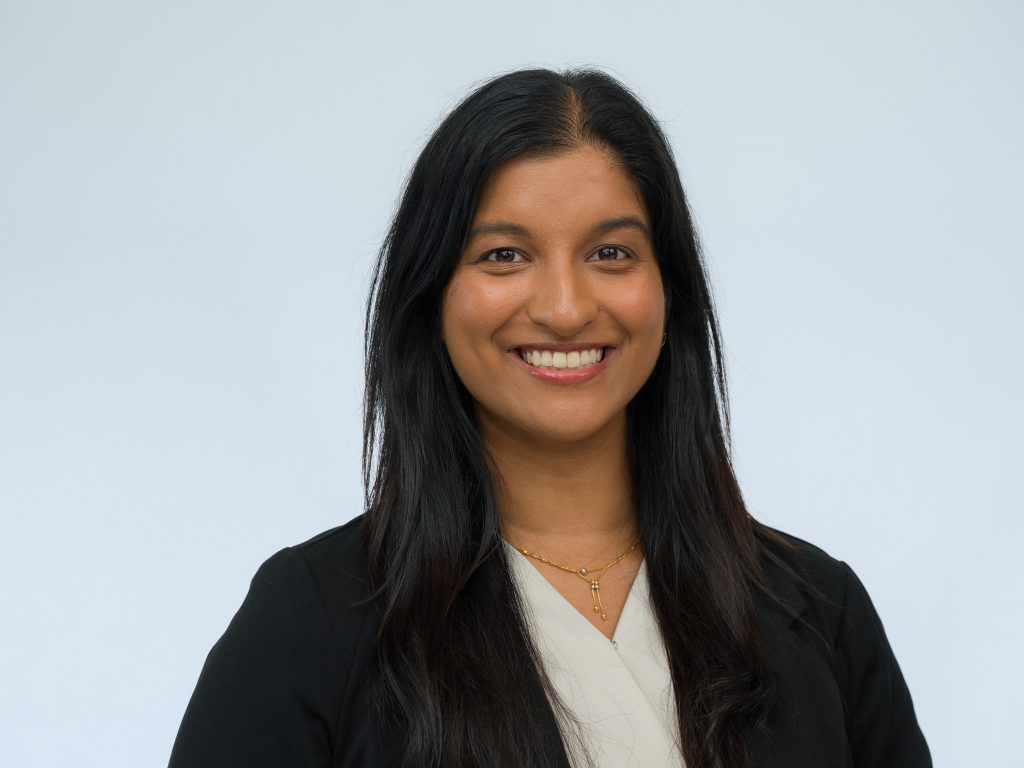
Pooja is a fourth-year medical student at Columbia University Vagelos College of Physicians & Surgeons applying to internal medicine residency. She’s been an MCAT instructor with Blueprint since 2020 and has tutored in the sciences since 2018. A Boston University graduate in Human Physiology, she also spent a year as a fellow on the CDC’s COVID-19 response. Pooja is passionate about equity in medical education and hosts this podcast to share mentorship-style advice with future physicians. She loves helping students discover how they learn best — and using that to help them reach their full potential. Outside of medicine, she enjoys musical theater, running, fitness, and cooking with friends.
Enjoy the Show?
Don’t forget to listen and subscribe on Spotify and Apple Podcasts.