

When you get that medical school interview invite, it can feel like everything you’ve worked for is suddenly on the line. The good news is that medical school interviews are your chance to show programs exactly who you are beyond what’s written in your med school application. In this episode, we’re diving into everything you need to know about medical school interviews, from how to prep and practice medical school interview questions to walking in with confidence on interview day.
Blueprint Medical School Admissions Consultant Holly Proffitt returns to share her expertise on navigating different interview formats like MMIs (multiple mini interviews), traditional, and virtual interviews. She breaks down the essential preparation timeline, and we explore specific strategies for answering common medical school interview questions, managing nerves, and showing your personality while maintaining professionalism.
This episode of the Blueprint Prep Pursuit of Practice Podcast is packed with practical frameworks for structuring your responses, advice on deciding what to wear, and even prompts for recognizing the crucial difference between confidence and arrogance in your answers. By the end, you’ll have actionable tools to approach your interviews with what Holly calls a “conqueror mindset”—knowing that you’re enough and ready to show medical school admissions committees exactly what you bring to the table.
What You’ll Learn
- Why you can’t just rely on your friends/family/cheerleaders for thoughtful interview prep feedback.
- How to structure your “tell me about yourself” answer to under 90 seconds.
- The STAR method (Situation, Task, Action, Result) for answering behavioral questions effectively.
- What differentiates MMIs from traditional interviews, and how to prepare for each format.
- Practical strategies for managing interview anxiety and recovering from difficult moments.
- Guidance for formulating thoughtful questions for your interviewers.
- How to find the right balance between showing personality and maintaining professionalism.
More Free Resources
- Holly Proffitt: LinkedIn
- ❌ What NOT to Do During a Med School Interview
- 🎧 20 Medical School Interview Questions You Should Prepare For
- 🧠 A Med School Applicant’s Guide to Multiple Mini Interviews
- 👉 Download Free Guide: 50 Medical School Interview Questions You Should Prepare For
Full Episode Transcript

Holly: And so you just have to know where you are and know what you bring to the table and have confidence in it. A healthy level of anxiety is okay. We live on anxiety from primal days of, like, we need to be able to protect our young or eat or things like that. Anxiety is not a bad thing. It’s only a bad thing if it keeps you from doing the things you need to do. And so a little bit of nervousness is totally okay. But you just have to be able to rest in yourself, of knowing that, I’ve done the best that I can do and I’m enough.
Pooja: The path to becoming a doctor is a whole range of things: exciting, confusing, anxiety-inducing, and gratifying, probably all at the same time. And the truth is that no matter how isolating it may feel, you’re not in it alone. Welcome to Pursuit of Practice, your go-to space for expert advice, real stories, and the kind of support that shows you what trusting the process actually looks like.
Welcome back to Pursuit of Practice. If you’re at the stage where interviews are on the horizon, this episode is for you. Interviews can feel intimidating, especially if it’s your first time navigating the process. But they’re also a huge opportunity to show programs who you are beyond your application. In this episode, we’re breaking down everything you need to know: how to start preparing, the different types of interviews you might face like MMIs, traditional, or virtual, what to expect, and strategies to feel confident and present your best self. We’ll also talk about mindset, common pitfalls, and even some tips from my own experience preparing for interviews. Finally, we’ll run through a few common interview questions and discuss how to answer them effectively, what to avoid, and how to leave a memorable impression.
Whether you’re a pre-med just starting to think about interviews or a med student heading into the next round, this episode is packed with actionable advice to help you approach interviews with confidence. Holly Proffitt is back for this episode. Holly is one of Blueprint’s admissions advisors. She has been working with medical students to assist them in their path to residency for the last 7 years and she’s been described by her students as their med school mom and not only understands the hustle of balancing schoolwork and play, but is also known for giving advice to students that uplifts and motivates them while maintaining necessary honesty and tough love. It’s great to have you back, Holly.
Holly: Yeah, thanks for having me.
Pooja: Yeah, of course. So first, let’s start with getting started with interview prep. So at this time of the episode’s release, interviews are looming large, whether you’re a pre-med student and you’re getting interviews for medical school or you’re a medical school student and you’re getting interviews for residency. So when students are thinking about how to actually start preparing for interviews, what do you think early prep should look like?
Holly: Yeah, early prep has a couple different features of it. One is knowing where you’re applying because there’s research that needs to be done. And then the other side is knowing yourself. So knowing where you’re applying is I don’t expect everyone to go down their entire application list. That may be a little bit less for medical school, but for residency, there’s people who apply to 20, 30, 40, 50 programs, just depending on who they are. And I don’t expect everybody to know every single thing about each program, but just a general familiarity. So when that interview comes in, that interview invite comes in, you can prepare quickly. So reminding yourself, just maybe in a brief spreadsheet where you did your application, you were starting your application, why did I apply to this program? Like just one thing to kind of jog your memory about that, and then you can do deeper research.
The other side, preparing yourself, is being realistic with how much time you’re going to need to prepare to be successful. So I have the gift of gab. I’ve had it for a very long time, but even I need time to prepare for an interview. So being realistic with yourself of how much time is it going to take for me to get where I need to be with practice, with reflection, with muscle memory, all of those kind of things, and then setting a realistic timeline.
Pooja: Yeah.
Holly: On average, in my experience, people take 3 to 6 sessions to feel really good about what they’re doing. And that’s for a really seasoned person. So knowing what kind of where your level is and where to go from there is the best way to kind of work backwards and figure out how much time you need.
Pooja: Yes. Okay, and I really appreciate you talking about the 3 to 6 sessions. And by sessions, you mean like even practice sessions, right?
Holly: Correct. Correct. I typically recommend when I’m working with folks, I only really practice for like 45 minutes because the mental load of interviewing is so much that I don’t like folks to have to do too much because there really is a point of diminishing returns where you start to get anxious and you start to be too hard on yourself. So 3 to 6, 30 to 45 minute interview sessions with someone who’s going to give you honest feedback.
And so I always start with like the top 3 interview questions that you should know. Tell me about yourself, why this program, why this specialty, or what have you. That why this specialty may not be the case for students applying to medical school, but there’ll be something along those that those lines.
Pooja: Why doctors probably would be the one.
Holly: Why do you want to be a doctor? Yep. A why allopathic medicine or osteopathic medicine, what have you. But those top 3, when people ask me what do I need to prepare coming into a session, start working on those, because those are the ones I’m going to hammer you the most with and we’re going to do them every single time. It’s like a warm up. Like if you’re getting ready to go run, you got to stretch, you got to do your things like be at your max capacity to be able to run and get the most out of it. I’m always going to ask you those 3. And then from there, depending on where you are, and I know we’ll talk about this in a bit, situational interview questions, tell me about a time you, tell me what you think about this, strengths and weaknesses, we’ll work through those.
And so for me, when I’m working with students, that’s my baseline of like, can you answer those 3 and can you answer them well, and can you answer them just like off the top of your head, not looking at notes, talking to a human rather than feeling robotic, and then we’ll work from there. So it really just depends on where you are on those top 3 to how quickly we’ll progress and how much space you need. But I mean, I don’t know. I feel like this is one thing I’m really good at. If you can’t do it in 6, then I’m nervous. That’s never happened. Everybody’s always been good after 6 sessions. So I think that’s a pretty good rule of thumb for me.
Pooja: Yeah, I think 6 sessions sounds also super manageable too. I feel like there’s always a waiting period. And I think in our last episode, we talked about how once you’ve submitted your secondaries, you could chill for a little bit, but there is a little bit like of I think the waiting period can vary from person to person, but after a couple weeks of just relaxing and celebrating the fact that you’ve submitted secondaries, or in the case of residency, submitting your application, that’s when you can start to work a little bit even before interview offers start to roll in, just thinking about how to practice. And I think one of the things that we’ll talk about is tell me about yourself question because I feel like that’s the one question that everybody gets and there are good rules of thumb to follow and bad ones. So we’ll definitely circle back to it. But moving forward, it sounds like the recommendations you have for early prep should just be basics of the school, preparing questions that you think you’ll be asked about, and having sessions with a trusted person who you think will be honest with you. So maybe not necessarily the best friend who’s always saying yes to every idea you have.
Holly: Yes. I’m not practicing with my hype woman or man. I’m practicing with someone who’s going to give me tough love and be honest with me about my body language, about my, about my answer of like, did I go deep enough? Did I talk too much? Did I talk too loud? Did I talk too quickly? You need someone who is going to be honest with you. You know, like all those TikToks right now, it’s like, what I would tell you as an XYZ if I wasn’t afraid to hurt your feelings. That’s the person you need.
Pooja: Absolutely. Absolutely. Someone who isn’t afraid to hurt your feelings is excellent. So what is a mistake that you see students make when they wait too long to prepare? And before we get into that, what exactly is too long to prepare?
Holly: I mean, you shouldn’t be preparing the day before.
Pooja: Makes sense.
Holly: I mean, especially if it’s one of your top programs, because when you get feedback, it’s probably going to rattle you, to be honest with you. Interviewing is very intimate. They’re asking you questions about things that you may not want to talk about super openly. And I don’t say that to scare people, but like, if you have something, if you have to talk about a failure, no one wants to talk about a time that they failed. If they ask you about conflict, no one wants to talk about conflict. And if you’re not ready to kind of sit there and feel uncomfortable and think about those things and work through them, the day before ain’t it. That is not the time to do it because you’re not going to have time to think on your feet, you’re not going to have time to work through it and make mistakes.
A lot of times when I’m working with people, they’ll get a little anxious and be like, oh, that wasn’t good. I’m like, well, but take a deep breath, like step back. It’s okay. Like it’s you got to have that space to be able to think and work through it and talk through it. And that is not the day before an interview because the anxiety is already high going into it. I would say at least a week out from your first one is you need to be doing at least some 1 or 2 feedback sessions just to see where you are. Some folks, I meet with 1 or 2 times and I’m like, you’re good. Like, call me if you need me, if something comes up that scares you. But for the most part, once they figure out the rhythm, they’re fine. But you need at least a week to be able to have that time to feel uncomfortable, to start to work through those things, to get feedback, and to make that feedback actionable.
Pooja: Yeah, absolutely. I completely agree with that. And I think another thing that’s important that you alluded to a little bit too is that the day before should be a time for relaxing and not introducing something that will potentially stress you out, right? So it’s sort of similar to, I think a lot of people get this advice about test days, but they don’t necessarily, they don’t always translate that to an interview. So similar to how you don’t really, you really shouldn’t be procrastinating for exams that are standardized and a big deal and important to you. This is similar, right? It’s not necessarily a test, but it is an opportunity where you are going to be in a little bit of a higher stress. You’re going to have to apply information that you’ve learned. You’re going to have to recall facts that you’ve studied before, either about yourself or about the institution that you’re going to. And you’re going to have to be on your A game that day. There’s a lot of things that happen during the interview day that we’ll be getting into that requires your attention. So staying up super late, procrastinating for it isn’t exactly in your best interest.
Holly: I could not have said it better myself. This is not one of those things that you just like, okay, so y’all know that I run. I’m not going to show up to a half marathon having never run 10 miles before, right? Like this is just, or even, even a 10K, 6 miles. I need to have put in the work to feel good about it. I would be a nervous wreck if I showed up to a starting line of even a 5K if I’d never run 3 miles before. You’re setting yourself up for a failure. And I totally acknowledge. I understand, gab girly right here. I could talk to a brick wall. Even I get nervous in those first little bits because it’s the unexpected. And you are just going to amp up your anxiety for no good reason if you don’t, if you procrastinate this or if the anxiety to practice is too much. That is a recipe for failure.
And so nobody likes constructive feedback. Nobody’s like, oh man, I can’t wait to go get slaughtered in my, in how bad I sound today or listen to the sound of my own voice. Nobody wants that. But I can promise you, if you’re with someone who is going to give you good feedback, who’s going to really help you through, it becomes fun. I love practicing interviews with my clients because that mic drop moment when they know they’ve killed it, I’m like, ooh, I’m like, let’s go. Like you’re going to go in there and you’re going to just like wipe the floor with these people because you’re going to be so good. And so that’s what’s on the other side, which I know is, I acknowledge is totally foreign to people applying to medical school because you have put so much into this application and your secondary and you’re just like, please pick me. I get it, but there’s nothing better than acing an interview. And truly that only happens when you put in the time to prepare accordingly.
Pooja: Yeah, absolutely. And I think a lot of the advice that you are describing is similar to what people have already applied. Like if you’re in the situation where you’re applying to medical school, you have already done a lot of the things that are associated with successful interview prep because you’ve taken difficult exams and done well in them. So I think it’s helpful to think about it in that context as well. Is there other than waiting too long to prepare, are there any mistakes that you see people make?
Holly: Not preparing at all. I mean, some folks think that they can just, I mean, I know that sounds silly and like who would do that? Absolutely. People are like, oh, I know how to do this. But y’all, the stress when you want something is not the good kind of stress. It is the stress that makes you on edge. And then you really start to, you can spiral really quickly if you make a mistake and then trip over your words and this that and the other. So people who don’t prepare at all or people who overprepare and are overcritical of themselves of like, that’s never going to be perfect or it’s never going to be good enough. Well, sure, it’s not, but we’re human. And no one expects perfection. They expect you to be the same thing we’ve said about secondaries and applications. They expect you to be reflective and mature. Can you do those things? Absolutely. Everybody is capable of that.
So not practicing at all and practicing too much to the point where you’re too robotic and you’re too critical of yourself. Because I’ve seen people, I’ve worked with Blueprint for 3 or 4 years now, and I would have clients who would have their whole spiel written out and I could tell they were reading from it. And they sounded so robotic and I would have to get on and be like, stop it. I know what you’re doing. That’s not going to look good. And you’re not always going to be in front of your computer on Zoom. Some interviews are in person these days. And so the over preparing or like getting so into a script or being reliant on a script. Those are huge pitfalls that you will not be able to ad lib appropriately or like if you’re replying on a script and then they ask you a question you’re not prepared for and you totally tank. Those are bad habits. That is do not do that because it will show so quickly.
Pooja: Yeah. No, absolutely. I completely agree. I think the point on overpreparing is helpful too, because I think if we’re thinking about the day before an interview, really just being mindful of the fact that you have to relax at some point and you have to kind of call it quits at a certain point. And I think this is an important point to bring up here because we’re on the topic of overpreparing. But Holly, in your opinion, do you think that interviews are best held as a conversation or do you think they’re best held as like a, I guess, almost questioning of someone to say, can you give me your best version of your answer to this question? And I think the nature of this question is pretty leading, but I would appreciate your insight on that.
Holly: 10 out of 10 conversational. I mean, I always tell my clients, I want to see your personality. I want to see who you are. It’s okay to show who you are. And then like, if you’re kind of nerdy, be a nerd. If you’re kind of silly, be like, be silly, but in an appropriate and professional context. So for example, when we talk about, tell me about yourself, one of the things I do in my tell me about yourself when I talk about college, is I graduated in 2009 from college. And if you know anything about history, that was a terrible time to graduate from college. And so I always say in mine, so I finished my bachelor’s degree in 2009. I graduated with a marketing degree and an English literature degree. And I did what every 22-year-old wants to do and I moved back in with my parents because I couldn’t find a job.
Okay, like, I showed a little bit of personality there. It wasn’t unprofessional. It wasn’t disrespectful. It was like, yeah, I did what every 22-year-old. I put my tail between my legs and went back to my parents’ house. So I mean, you can adlib a little bit of like funniness or, you know, you don’t want to tell inappropriate jokes. You don’t want to, you know, be awkward. But that’s part of the rehearsal of this experience is like, how can I add in things about my personality? How can I show them who I am in the conversation? And ideally, those the it’s like, think of it like a tree. Like you’ve got this straight tree and then these branches branch off for like, well, tell me more about that, Holly. Oh, you said you were in a sorority. Tell me about that. Or tell me about what it was like to be in student government or then, or they ask you a question, they say, Holly, tell me about a time you had conflict. I mentioned I was in a sorority in college and one conflict I had… you get to bring it back to that source, like where you started when you have that conversation.
And so it’s like they’re getting to know you and they’re getting to know your story and back and forth. And ideally, if you’re doing that well, they’re sharing things about themselves too and that takes the pressure off of you, right? Because everybody loves to talk about themselves. So like, you want to get to the point where like, what questions you have for us, you’re like, yes, let me ask you some questions so I can just be engaged and answer and I can take a break. So that’s why the conversation part of it’s important because then it’s an exchange rather than like an interrogation. If it’s an interrogation, then maybe you don’t want to be there anyway, because that’s not the vibe you want. You don’t want to be going into a place that’s like, tell me all the things and scary. No one, I’ve never heard people say interviews were like that and they shouldn’t be.
Pooja: Agreed. Agreed. I think something that’s helpful also about interviews and I think a lot of people hear the advice, oh, it should be like a conversation. But I remember when I was first starting to prepare for interviews, because for full context, when I was applying for medical school, that was the first time I really did an interview before. I had done some interviews for like jobs, but they weren’t as formal as this. And so I was very much in the mindset of like, oh, I’ve never really done this before. How do I go about doing this? And I think something that I thought to be helpful was a rule of thumb that someone taught me, which is that you should never be talking for more than 60 seconds at a time. So when they say tell me about yourself, that should be like a minute max. And when anybody answers a question or asks you a question, your answer should be within a minute. And the reason is because a person’s attention span before they start to glaze off a little bit or think about their own thoughts or their response to your thoughts is usually 60 seconds. Thank TikTok for that, I guess. But I found that to be very true and it allows things to stay conversational even if you’re the one answering questions the entire time.
Holly: Mhm. Yep. Yeah, I would say, you know, I’m older, not gonna say old, older. And so my tell me about yourself may be closer to 90 because I’ve lived a little bit more life.
Pooja: Makes sense.
Holly: But I, yeah, never over 90 seconds to 2 minutes. And so I will even do a stopwatch with my folks and be like, okay, okay, that was a lot. So like, let’s narrow that down. What were you trying to get them to say? What were you trying to get them to hear about what you were saying? And sometimes this is the same advice that I give when we’re talking about personal statements or anything like that is like, just give it all to me and I will take notes and then I’ll help you pair it down. But you’re exactly right. Brevity is usually the thing. We’re we’re either super brief or we’re very robust… verbose. Is that the word I’m trying to find? Yes. Very, very verbose in our explanations. And so we just got to find that sweet spot. And that’s the hard part. And that’s why you need practice, because inherently, I think we either shut down really quickly or we want to give you every single detail that doesn’t matter. And that’s the game. It’s the figuring out what they want you to say or like what question am I actually trying to answer and quality that I’m trying to show them. And then how do I make it brief enough and impactful enough to answer the question fully. So that’s really the game you got to play.
Pooja: Absolutely. And I think before we talk about interview types, where we will get into a little bit more detail about a lot of the things that we’re talking about already, but if someone has never done a formal interview before, like they were in my position where they hadn’t really done interviews for college and so this is like the next really high stakes interview that they’re going to do. What is the first thing you’d tell them to focus on?
Holly: Ooh. Oh, man. I think, I mean there’s, oh, there’s so many things.
Pooja: I know.
Holly: I think just being comfortable.
Pooja: Yeah.
Holly: Right? So like it’s all the things that make you comfortable. Like what are you going to wear that’s going to make you comfortable? What’s the setup that you’re going to have that’s going to make you comfortable? And that goes into so many things. So like different people have different anxieties. So for me, it’s about being on time. So like if I was in an in-person interview, I would make sure the night before that I had walked the path. That I used to do that for my classes in graduate school. Like I would go to campus, I didn’t live on campus. I would go to campus and make sure I knew where I was going. Like even when I was in PhD school, I had, I went and stayed with my sister at the University of Mississippi to go find where my class was going to be on the first day of school, like a week beforehand, because I was so nervous about being late. So like, if you’re nervous about being comfortable to be on time, if you’re nervous about your appearance and what kind of clothes you’re going to wear, because like I wear Lulu Lemon every day, but I have to dress up for an interview. You know, making sure you’re comfortable in your attire, making sure you’re comfortable in the space where you are. If you’re taking an interview from home, like I don’t know if y’all could hear my cat was whining. Like that’s uncomfortable if you’re trying to be on a high, a high stakes interview.
So I think like the biggest thing is just like what do you need to feel confident and comfortable? And that can be in lots of different facets like I said. And that’s different for everybody. So I think that would be my first thing of like having a really, a really true needs assessment of what do you need to be in a good spot for that.
Pooja: Right.
Holly: And that could be the number of practice sessions you need, the advice that you need for what to wear, the how you’re going to get there. It really just depends on the person.
Pooja: Yeah. No, absolutely, absolutely. I think something that I would also add to it in terms of first thing to tell them to focus on is to, I think similar to the advice that we were kind of talking about earlier, but really getting a sense of what a minute feels like, just so you know. Because I feel like you’re not always, like if you’re in an interview, you don’t have a stopwatch next to you to time yourself, right?
Holly: Correct.
Pooja: So I think when you’re practicing or honestly doing anything, just like getting that intrinsic sense of what a minute feels like. And I think even when I was studying for standardized exams, I got a sense of, I tried to have an internal sense of whatever time period my sections of each exam was, I would want to know how long that felt like. So I think that kind of carries over here as well.
Holly: Absolutely. An interview minute, let me say this. An interview minute is similar to a workout minute. It’s going to feel super long or super short depending on what you’re doing. So depending on your anxiety level. I think that’s a really important thing to note is that if you’re a talker, it’s going to go really quick. But if you, if talking is not your natural strong suit, it’s going to feel like you’re holding a plank for a minute. So you got to work through that stress and that anxiety. But it’s totally doable.
Pooja: Yeah, no, absolutely. And we’ll talk a little bit more about strategy and practice in a little bit because I do think it’s important to realize that regardless of how extroverted you may seem, there will be different things that you struggle with. Like if you have the gift of the gab, some things will be easy, but some things will be harder for you compared to someone who is more concise with their words or is a little bit more introverted. So it’s helpful to know what strategies you should think about depending on how you are as a person and interviewing. Okay, so for interview types, there’s a couple that people need to be aware of for residency and for medical school. There’s traditional, which is in person, and there’s virtual, which is becoming increasingly more common. But for medical school, there’s also MMIs. So, oh god, I should, I really should have looked up what this stood for.
Holly: Mini medical interview.
Pooja: Yes. I remembered it was mini, it was medical interview, but I didn’t remember it was mini. Okay. Mini medical interview is MMI. So first, let’s talk about…
Holly: And it’s M-I-N-I, like miniature, not many, like multiple. But it is also multiple if you’re doing an MMI.
Pooja: So it’s mini and multiple and medical. So in a way it could be MMMI, but that would be too much. In terms of the differences, big picture, what are the main differences between the MMI, traditional, and virtual interviews?
Holly: Sure. So an MMI is typically you’re meeting with a minimum of 2 people and they have different experiences or different roles that they play. So sometimes it’ll be a faculty member and then a staff member or a faculty member, a staff member, and a student or a community member or it really just depends on the type of school that you’re applying to, what they have access to as far as faculty goes or things like that. So where I work, we do MMIs and I am a staff member. And so they’ll interview with an MD faculty member and then they’ll interview with someone like me or another, I’m a director or an assistant dean or someone like that. But people who are not in the clinical setting on a regular basis. So some of our faculty who hold administrative positions, they still are in the clinical setting, but it’s like a day a week. They’re not full-time clinicians.
And then for us as staff members, you know, people who, it’s typically people who are at the director level or above who have been doing this work for a minute and we’re used to working with students and looking at different aspects of the student and what their how their success will look in medical school and how they can demonstrate that to us. I’ve seen it where it can be people from the community. If it is an urban environment or a rural environment, sometimes they’ll just bring in community members, people who work at local banks or people who do different things. And because the medical school is really invested in that community, they want to see how are you going to talk to someone who is a lay person, for lack of a better term. It’s not an endocrinologist or someone who, you know, can speak your language as a future pre-med. They want to just see how you’re going to get along with people who are in your community and how you will serve that community.
Sometimes they’ll have medical students, but that’s kind of rare because those are your peers and that can, that can be a little strange, but it can happen. Sometimes there’ll be residents depending on what the residency programs look like in that school or if they have GME. So that’s typically how it goes. And then those scores together will be your overall interview score. And they look at the different parts of that a little bit differently on the admission side. So depending on the criteria and they’ll all ask you different types of questions. And it’s always okay if it’s an MMI to ask when you get your layout for the interview day to say, could you share with me who I’m interviewing with? And then you can do some research on those people. So if it is an endocrinologist, you can see, okay, they’re probably not, PS, they’re not going to ask you endocrinology questions. Like they’re not going to ask you to be like, tell me about how the body metabolizes blah. Not going to happen.
But it’s good to know, are they a junior faculty member? Have they been there for a long time? What roles have they served in the medical school? If you’re interviewing with someone like me, so what am I over and what kind of thoughtful questions can you ask me about the medical school and the environment and things like that? So it’s absolutely okay to ask who you’re going to be interviewing with and what the schedule looks like so you can prepare yourself of like, okay, when am I going to have a break or who am I talking to and getting yourself in that mindset. So that’s an MMI.
A traditional interview is usually just a 1-on-1 or you and 2 other people that are just asking you questions. It tends to be 30 minutes to an hour depending on how long it is. But a traditional interview is just that where it’s going to be your very basic, tell me about yourself, why this program, tell me about a time you XYZ, which are called situational interview questions and I’m sure we’ll get more into that. But it’s you’re not going to be shifting around to lots of different people. It’s just going to be that traditional interview 1-on-1 format. And then a virtual interview can be a combination of either any of those things. It’s just in the virtual environment. So you will be at home or somewhere, hopefully not a coffee shop where there’s a lot going on in the background, but some place that you can focus. I would highly recommend if you do not have a home office space or a space that’s quiet, looking into your local library and if they have study rooms that you can reserve that are free or places like that where you can have a dedicated space with dedicated Wi-Fi. But it’s essentially going to be the same thing. A virtual can be an MMI or a traditional. So it’s good to ask what that schedule is. So if you are renting a space or if you do need to find a space that works for you, you can know what to expect as the time frame and make sure that you have a dedicated space where you feel comfortable.
Pooja: Are there any mindset shifts that you think students should make when they’re moving from? So there’s two transitions that I think can happen, right? There could be someone who has done interviews like pre-COVID or recently and then they transition to Zoom. Or they’ve done Zoom interviews before and then they’re doing, let’s say, like a competitive surgical subspecialty where they’re doing in person. And I think either one, there’s like a shift that I think happens when you go from one interview type that you’re familiar with to a new one. So I was wondering if you had any recommendations about mindset shifts that students can make.
Holly: Yeah, I think you definitely have to prepare yourself if you’re going to be in person because even though it’s exhausting to be on, even if you’re online, there’s something to be said for breaks when you take a break and you’re out of the Zoom room where you can just, and you can use your own bathroom and you can get your own water or you can do whatever. Whereas like, when you’re in person, you feel like you’re being watched the entire time. Like when you go get a drink or if you take a phone call or something like that. So I think you definitely do have to shift your mindset of being on campus or on the surgical floor or what have you.
I know this sounds really basic, but what you wear has to be different too. Like if you’re going to be trooping around on surgical floors or in the hospital during tours, you don’t want to be wearing like, for guys and gals, uncomfortable shoes, you know, or clothes that are not going to be appropriate for being in a certain environment. So I think you have to change the way that you look, the way that you prepare yourself mentally, what you bring. You know, I remember we would when we did on campus interviews, we had students that were kosher or ate halal food and we provided lunch and sometimes we couldn’t meet their dietary needs. And so like preparing yourself if you’re going to be there all day to have appropriate snacks if you have a certain diet or things like that. I think that can really up the level of preparation that you need to have and that can change your mindset. Because we all know like the basic hierarchy of needs is like shelter, safety, food. And I don’t take that for granted because those things matter when you don’t prepare appropriately, especially when you’re in an in-person space.
Pooja: So tell me a little bit about Zoom and how that mindset is different then.
Holly: Yeah, Zoom is, I mean, I live on Zoom now, so it’s like hard to think about actually going back in person versus that. But lighting, for example. We were joking before this that I have to turn on my circle light. And depending on, it’s afternoon here and the sun is on the other side of my house now. So I’ve got a little bit of back light. And if I wasn’t prepared for that and I got on my Zoom and I had like, you know, the Edward Cullen glow because the sun was coming in, that would be, hopefully listeners understood that was from Twilight. We were talking earlier about understanding references. He was a vampire and he shimmered in the sun. You don’t want to shimmer in the sun. You don’t want to have it in your eyes. You want to make sure your lighting’s appropriate. You want to make sure your sound’s appropriate. How many times have we had to talk through our headphones or different things like that?
So Zoom maybe is not as stressful in like being in person and being on, but the technology challenges that can cause anxiety on Zoom or any other virtual format, man, those can shoot you through the roof if you are not prepared accordingly. So I would highly recommend like figuring out what platform they’re going to use, making sure you get on early, making sure your equipment is charged, making sure that you’re in a comfortable space, making sure your lighting is good, making sure it’s not too hot in your room. So you’re not sweating through your suit jacket, if you’re wearing a suit jacket. I mean, a lot of the same considerations go into Zoom or should go into Zoom just like they do in person.
Pooja: And I guess we, you already alluded to this when we talked about comfortable shoes, but for virtual meetings or in person, what do you think applicants should keep in mind when choosing what to wear?
Holly: Yeah, you want to be comfortable but you want to be professionally appropriate. So typically, even in a more casual phase of life that we are post-COVID, interview attire is still pretty rigid. The expectation for your most formal is a blazer with something underneath it, whether for people who identify female, whether that’s a dress or a skirt or a blouse and pants. Technically, a skirt suit is the most formal for women who are dressing traditionally in that way. For men, it’s a suit and tie. So that’s a jacket, pants, and a button down shirt and a tie.
You know, I break those rules. I wear a dress with a jacket. I’m just not a suit wearer. I’ve got petite shoulders. I look like I’m wearing my dad’s jacket when I wear a blazer. So I wear a blazer that tends to be a little bit more petite and fitted with a dress because that’s just my jam. Shoes wise, you know, I wouldn’t wear my Nike running shoes or my more casual shoes, but there’s lots of comfortable options for shoes these days. My husband when he worked as an administrator, wore like the Kenneth Cole shoes that had the Nike technology that kind of looked like sneakers, but they’re still dress shoes. So and they don’t even have to be expensive. I got him a pair of Nautica ones for $10 at Sam’s Club. So you don’t have to break the bank. There’s lots of dupes that you can do.
But definitely knowing what is appropriate and then what you’re comfortable in when it comes to that. We used to also harp on definitely in person, not overdoing cologne or perfume because that can be really off putting to people. For folks who wear makeup, not doing anything that’s really different or glaring in your makeup. So not super heavy eyeliner or lipstick or things like that, depending on what you wear makeup wise. Hair, same thing, you know, keeping it pretty, you know, for me, I used to have long hair and I would kind of mess with it as a, as a safety blanket, but now I have shorter hair and I’ll still, it’s pulled back today, but I would still like kind of mess and things like that. You don’t want to give yourself anything that distracts. So that we got to think about things like that, knowing yourself and knowing what that looks like for you.
So typically in my long hair days with interviewing, I would wear my hair half pulled back so it wasn’t in my face, but it was still, you know, I was still comfortable and that was a hairstyle I was comfortable with. For guys, like just making sure, or anybody, making sure you’re groomed appropriately that, you know, you’re not walking in like you just got out of the shower and looks like you’re unprepared. So it’s just like your level of comfort matched with the professionalism that’s expected. So I’m not saying you have to come in a tuxedo and be completely, you know, rigid and not who you are. It’s okay to show personality. I had a student, he’s now a surgeon, he wore a bow tie to every single interview he went to because that was his jam. And he looked great. And that was part of his personality. So you can still show personality, you can still show who you are. No one expects you to be someone you’re not, but also showing that you understand the professionalism that’s expected in an interview is really important to interviewers.
Pooja: So now let’s talk a little bit about the details, right? The details of structure and like what a good mock interview looks like. So tell me, Holly, with the mock interview sessions you do with your clients, what do they kind of look like?
Holly: Sure. So I always start out with those 3 that I told you about. Tell me about yourself, why this program, why this specialty, or why do you want to be a doctor, and why the school. And there’s certain things I expect with that. I expect for your why, tell me about yourself to be very structured. And we can go into that deeper and to know that you know what’s appropriate to say that you know how to keep the length appropriate and you know how to end it. Because a lot of times when people are in that and they’re like, so that’s it. And you’re like, no, you got to take control over that. And you got to know to tell them it’s over. So that’s what I’m looking for in that one. The why this program or why the school, I want 3 reasons that are unique to you and your career choice and your experience. So it’s not just like, I like the location. Okay, well, what about the location? Because you grew up here, because you like the people? Please don’t let it be about the weather. That can be the last thing that you say. But you know, what’s specifically about this school? And this is really what shows me that you’ve done your research and are really putting two and two together.
And then why do you want to be a doctor or why this specialty, same kind of thing. Give me 3 things that are deep and unique to you. So not cliché of like, well, it’s always all I’ve ever wanted to be. Okay, well, why? Did you just wake up out of the womb and you were like, I’m going to be a doctor one day? No, everybody’s got a story. I need to know that story. And so you got to think about those first 3 questions is kind of storytelling of finding that balance of telling a little bit about your life and how you’ve got to where you are today, but also answering the question that was asked in the appropriate amount of time. So I always do those 3. And then I’ll typically get into some situational interview questions. So tell me about a time and we call these situational because you’re going to talk about a situation. And they want a specific situation. This isn’t like, tell me about a time you had conflict. Well, this one time someone was rude to me, blah, blah, blah. Nah, I want exactly what happened.
So when we say situation, we say STAR. Situation, Task, Action, Result. So I want to know the situation. I want to know what was the task at hand that needed to be solved, that did or didn’t. What was the action? Was it a good one or a bad one? It’s okay if you made a mistake. And what was the result? So how did this end and what did you learn from it? And in that, why is it applicable to what you’re doing now? So as a future resident, I know I’m going to have conflict. I know I’m going to disagree or as a medical student, I know that there’s going to be times that I’m challenged with feedback, but what I learned from this was XYZ. And so that’s kind of that tying it up in a knot. So I’ll ask a few of those. And then I always end with a fun one. I’m like, if you could be any color, what would you be and why? My favorite one and my spouse hates this that I ask this, but it’s like a Holly Proffitt original. Like what kind of tail would you have and why? And people are like, like an animal tail? I’m like, absolutely. Yes, an animal tail. Tell me about that. And so it’s got to catch you off guard. Like it’s got to be something kind of silly where you have to tell me something that you hadn’t really thought about before that tells me about you and that you can laugh at yourself.
Pooja: Sorry, I’m just thinking about which animal tail I would I would have.
Holly: I have two.
Pooja: I’ve been thinking. The thing is, okay, here’s the thing. I am not, this is so funny. This is the second time this has come up today. I’m not very educated on my dog species because growing up I didn’t really have a dog and a lot of my friends didn’t have pets. So I don’t fully know a lot about the different types of dogs. So I’ll just describe what the tail looks like and maybe you can tell me.
Holly: Okay. Yeah, for sure. Big dog girl over here.
Pooja: But there’s some dogs that have a little poof at the end, but then the rest of it is sleek, but it’s still fur. Like it’s not like a naked cat where there’s no fur or anything.
Holly: It’s like a poodle or a doodle.
Pooja: Yeah. I would say a doodle, not a poodle. Not that I really know the difference between them.
Holly: Well, poodles typically have more like a puff whereas like a doodle, they’ll usually or even a golden retriever when they’re shaved, they’ll have like the puff at the top. And then sometimes people shave them. Yeah, it’s cute.
Pooja: Yeah, and then the rest of it, that’s what I would have.
Holly: Yeah. So I think in terms of other, I guess, things to circle back on when we’re thinking about the mock interviews, let’s talk a little bit about the dreaded question. I don’t think it’s a dreaded question because I actually like the question, but when I first started preparing for interviews, I felt like it was a dreaded question, and now I love it. But it’s the why this question. So let’s talk about the anatomy of that.
Holly: Oh, like why the school, why the specialty, what have you.
Pooja: Yeah, because you said that there’s like a structure that you like people to have. So what is that structure?
Holly: Yeah, I like threes. I like threes. I could go with 2, but it needs to be at least more than one. And it needs to be thoughtful to and consistent and expand from what you’ve displayed in your application. So you’re applying to internal medicine. So I would expect that your internal medicine answer would be something about people. Because you’re a people person. A specific population you want to serve or the environment that you want to serve in or an academic interest. I know that you have been teaching for Blueprint and you enjoy mentoring. I would expect for Pooja’s why internal medicine to go with something like that. If it were me of why I would want to be a doctor, mine would be deeply rooted in service and education. I didn’t realize those things until a little bit later in life that I love to serve other people. I just love to be a helper. And I know that people, the cliche answer is, I just want to help people. Well, but why? Why do you want to help people?
Well, my answer to that is because someone helped me. Because I’m a first generation college student and someone helped, someone gave me a shot. Someone gave my dad a shot so that he could play college basketball. It’s a small school. It’s not like NBA star or anything. But gave him a shot so that he could get a college degree and that changed the trajectory of my life that my dad got a college degree as the first person to get a college degree. And that changed the trajectory of my life because then he got a master’s. And I went to college and I got a master’s. And I didn’t know what I was doing. And I want to be a doctor because I know that there’s lots of people out there who are scared of medicine. They’re scared to go to the doctor, they’re scared to ask for help, and I want to be the person who helps. I want to be the person that they know that they can trust when they go to the doctor. And you can make that for any specialty. That could be for OBGYN, that could be for pediatrics, that could be for whatever. So I answered that question in why by telling you about something about myself. It shouldn’t just be like, I like pediatrics because I like kids or I want to be a doctor because I make lots of money and the lifestyle. No. It’s got to be about you. And you got to know why.
And so for you, I would assume, I mean, we spent enough time together now that I know that your answer probably is shaped around those things. And that’s a perfect thing to say because it’s unique to you and how you see the specialty. And it’s unique to me and how I see medicine. And that’s all I care about. There are wrong answers. There’s no right answer in answering this question.
Pooja: That makes a lot of sense. And I think the other thing that it’s advice that I’ve gotten about actually presenting H&Ps or histories and physicals when I’m on rounds, but I think there’s a way to kind of apply it to the interview and I’m curious to see if you agree. The advice I was given for histories and plans is to make it so in your presentation that by the time you get to your assessment of what’s going on with the patient and your plan for that patient, it is obvious because you have selectively included the details that kind of lead to the argument of your conclusion, which is like, I think this patient has this diagnosis and I don’t think it’s these diagnoses. And the way you do that in the history and physical is by including pertinent positives and pertinent negatives and not getting too into the weeds about other things that aren’t relevant to the patient’s presentation and what they’re coming to the hospital for.
And I think the application that you can kind of see for these why questions is you want to make it so that the 3 things that you say or however many number you pick, I also like to do things in three because I find 3 to be a satisfying number. Same. But if you do whatever 3 things you say, you kind of want it to be so that by the time you’re done saying all those things, they’ll then be able to be like, oh yeah, duh, that’s why medicine is a perfect sense thing for you. It makes sense based on what you said. Or like, this is why this specialty makes the most sense for you because all of all the things you said, this is the only thing that really is the combination of all 3 reasons that you said or whatever it may be. And I want to also follow up with when we’re talking about this structure, you said that the conclusion is something that you want people to kind of pay attention to instead of being like, so that is my answer or that is me as a person. What’s a good alternative to that?
Holly: In the why questions, it comes down to storytelling. It really comes down to, you know, if I was talking about why I wanted to be a doctor, I would say, you know, because someone gave me a chance and I want to be that person who does that for other people. I also love to teach. I didn’t come from a family of teachers, but I love education and I love the feeling of what it is to learn. And I want to be able to pass that on because I feel like it allows me, that’s what we do as physicians every single day is we teach others to empower themselves. And lastly, I want to empower people. I want people to take control. There’s nothing of their own health and their own journey. I really enjoy giving advice, but I always want people to take ownership of it. And so I want to be the person who provides that option, but then supports them through all of these things. So all of these things, so here’s how I’m going to tie it together. So all of these things are just things that bring me joy and I know that being a physician is a lifelong commitment and I really want to enjoy my life and my work and I have no doubt that being able to do these 3 things every day will allow me to do that.
Pooja: Right.
Holly: So it’s just short and sweet. It’s just bringing it all together.
Pooja: And see, that’s what you did, is you made it so that by the time you got to your conclusion, the listeners with you. And so by the time you say your conclusion, they’re like, oh my god, yeah, that makes so much sense for you, right?
Holly: I did that off the fly. But if I don’t, I was watching my facial expressions, I don’t know if you could tell I got a little bit of anxiety of like, oh crap, how am I going to wrap this up? So this goes back to the point of you have to practice. You have to practice these things because even I got anxiety just then of like, oh crap, what am I going to do? How am I going to bring this around? So if you are not prepared to do that and cannot do it on the spot, y’all, I’ve been doing this for a long time. That’s how I can do it on the spot is because I’ve been doing this for a long time.
If that is not your skill set, you have to sit down and think. And some people write, some people bullet, some people record. I don’t care how you do it, but you got to think about what your 3 things are and how you’re going to bring them together. And then it’s just muscle memory. It’s just like bringing it all around and tying it up with a nice little bow and that’s that mic drop. When my clients do that, I’m like, you got it. That’s exactly what you should do. And I get so jacked for them because they figured it out. And it’s your story. All you got to do is tell your story, but it’s that phrasing it in a good way to make that happen.
Pooja: Totally, totally. No, I completely agree. And so now, now that we’ve talked about practice, what that practice should look like, I want to talk a little bit about confidence and composure. So when it comes to those classic questions that you discussed, how can people avoid sounding over rehearsed or cliche? What tips do you have?
Holly: That really just comes from knowing yourself and trying it out. So I could tell you my tell me about myself like 10 different ways. Truly. You could get a different version from me today than you did yesterday, depending on how I feel, because I know it so well. But I know the essence of it so well. The best way to do that, and I’m kind of stuttering thinking through it, like, how do I describe this? The best way to do it is just to know yourself and to know, what iterations can I make changes to? So my strengths and weaknesses, I really do have to think about strengths and weaknesses. One of my strengths is that I’m very creative. I really like to think outside the box. I like to research, I like to learn, I like to grow. And that’s really helpful in my ability to solve problems and to work collaboratively with others.
My weakness, I could give you strengths all day because everyone wants to talk about strengths. My weakness, I really have to think about. I really had to think about like what weakness is not super egregious. Like, oh, I don’t want to, I don’t want to work with her. But that I could also tell a story about of how I’m growing. And so if I hadn’t sat down and thought about that, I would not be successful in answering that question. So now if anybody asks me like, tell me something you need to work on. That’s the same as tell me your weakness. Tell me something that you’ve gotten feedback on. That’s the same thing as tell me a weakness. And so it’s like you got to know the core answer of what you’re going to say so you can pivot to use those in different situations. And so it’s not sticking around peg in a square hole. It’s like, okay, I’ve got this foundation that I can answer and I’ll be strong with that I can have the muscle memory to like, oh, they’re asking me something like this. I’ve got that. But that only happens if you’ve sat down and brainstormed. If only can you do that if you’ve prepared in some way or another.
Pooja: Yes. No, I completely agree. And I think on similar lines, is it possible to come across as too confident in an interview?
Holly: Absolutely. I tell my clients all the time.
Pooja: What does that look like?
Holly: Oh man, it’s a very fine line between confidence and arrogance is what I always tell my students. It’s like confidence is knowing yourself but still having a level of humility to say like, okay, so tell me about a time you’ve made a mistake. If I go into like, I’ve never made a mistake, it was someone else’s fault. That is arrogant as heck. I was going to say something that the kids say these days, but that would be inappropriate for a podcast. That’s arrogant. Like not taking ownership, not acknowledging your failures, not doing that kind of stuff, that is arrogance all day long.
Humility and confidence is owning it and saying, you know, here’s a time I made a mistake. I tell people when people ask if I made a mistake, I tell people I don’t make a lot of mistakes and that’s not because I’m perfect, that’s because I’m anxious. That’s because I grew up in a family where preparation was the expectation and I’m the person who used to set out my clothes for school the next day so I didn’t have to be stressed in the morning when I woke up. I’m the person who makes a list to make sure that I don’t forget things. I’m the person who does these kind of things, but I do make mistakes. And these may not sound like big things, but here’s a mistake I made.
Pooja: Yeah, absolutely. And I think it’s interesting about confidence and arrogance because I think obviously there are certain things that everybody’s like, I would never say that because that is way too arrogant for me. I’m a humble person, whatever, right? But I think that there are subtle things that you don’t necessarily realize are overconfident or arrogant until you talk to somebody with experience being on the receiving end or somebody who’s actually been a practicing physician for a long time so you can understand. So one of the examples that comes to my mind is advice that I got recently, which was about how when you kind of enter medical school and you enter residency, you are bright-eyed and bushy-tailed and you have all these exciting things that you want to do in terms of reforming our healthcare system. A lot of people say that they want to do that. And I think it’s it’s obviously wonderful. Like I was someone who wants to do that and has wanted to do that for a really long time. But there is humility that comes with realizing that a lot of people who are in this field want to do that.
So to say that you’re the one who’s going to be doing that or you’re the one who’s going to finally make a difference. Like there’s some humility that comes with being like with realizing that you are one person in a system that is messed up and complicated and there are a lot of people who’ve been spending decades of their lives working on this problem. And so realizing the part that you have in this larger solution is really important. And like for me, I think I remember when I wrote something in one of my residency application drafts and it was something along the lines of like, I want to change blah, blah, blah. And the advice I got was careful there. That’s a bit grandiose because again, like and it’s it’s a point that I knew, but it’s easy how subtle wording can make it sound like you think you were, you know, the person who’s going to change everything when it’s a team effort. So I think that’s the example that comes to my mind as too confident because I’m someone who’s perhaps the opposite.
I’m not a very confident person. I just outwardly appear that way. But even I was like, whoa, I don’t realize that I had this like overconfident part of myself in the way I described my interest. So it can happen to anybody. It’s not just the people who are borderline too confident in their personal lives that can have this issue in interview day. I just wanted to bring that story up because it’s a story that I think a lot of people relate to.
Holly: And I don’t know that you were being arrogant as much as you were being slightly immature. And I don’t mean that to be nasty, but it’s like lack of experience. It’s a lack of experience showing of like, oh and I mean, as someone who’s lived a little bit more life these days, I’m like, oh, that’s cute, little girl that you’re that you think that you’re going to fix this when we’ve been doing this for yeah. So it’s it’s knowing yourself and being able to
Pooja: Or naive also. Yeah. Naive would be the one.
Holly: Yes. Yes, that’s a better word. That’s a better word. Of the like just acknowledgment of and that’s where the humility comes out of when you make a mistake or something that you’ve learned. That’s how you tie it all back around and be like, when someone asks you like, what’s the, this is a common medical school one, tell me about something, a healthcare challenge that we’re experiencing right now and how you would solve it. If you are just like, yep, and I got it licked, that’s way too arrogant.
It’s, you know, here’s something that’s going on, prices for medications are way too high and people are having challenges paying for their medications. One thing that I would really like to do is to be able to help my patients to find out every avenue they could for resources to make them more affordable, for free programs, for things like that. I know that I don’t know a lot about those things right now, but that’s definitely a hallmark of who I want to be as a physician is helping them to do those things. And I know I have a lot to learn about that, but that’s something that I think is really important for us to handle as a group and a public health concern that we have is that folks, we don’t know what our resources are and I want to be able to help that. So I humbly did that rather than being like, well, I’m going to help people do this. Okay, there’s no reason that you can’t pick up a $5 prescription. there’s plenty of reasons you can’t pick up a $5 prescription. So you just got to hone it in.
Pooja: Yep, absolutely. Absolutely. Okay, great. So we, we’ve addressed confidence and cockiness. But I want to talk a little bit about what is a common moment you’ve seen or you’ve heard of during an interview that students can kind of be thrown off by and what does recovery from a moment where you’ve been thrown off look like?
Holly: Yeah, so there’s a couple things that come to mind. It’s like when you don’t fully answer the question that was asked and they revisit it.
Pooja: And they’re like, hey, you didn’t answer my question.
Holly: Yeah. Like, I didn’t. So that one is tough and it’s totally okay to… and this is why if I’m ever in an interview and I give my clients advice, like have a notebook where you’re just kind of jotting down what the question is so you can look back at it. So one thing that we do where I work when we interview people is if it’s in Zoom, we also put it in chat so you can read it. So I’m way more of a visual person than I am an auditory person and so sometimes I’ll get lost in the listening because my mind is working and so writing it down or asking them if they could also put them in chat if it’s not too much so that you can read it. But yes, coming back from that and then I would say, oh, I’m so sorry. Could you repeat the question then so I can see what I missed. So take a moment and do that.
And this is a good thing we haven’t talked about yet is like if you don’t have an answer, it’s okay to say, oh wow, that’s a really great question. I’m going to take a minute to think about that. And to look down or look away. You don’t have to look at the person. If you have a notebook, you can kind of take some notes. It’s okay to take a moment. And that moment, we talked about earlier what a minute feels like is going to feel like an eternity because you feel like everybody’s looking at you and you don’t have the information you need and all these things. But it’s totally okay to do that. The other thing is if you just don’t have an answer. A lot of times people freak out because they just don’t know what to say. And so it’s totally okay to say like, you know what, that situation’s never happened to me, but I think that this is what I would do and still walk people through maybe like a similar situation where you would demonstrate the same qualities that they’re looking for in asking that question. But I think that’s where we get most of the like is not answering the question that was asked or not having an answer at all. And you can always have an answer. It just may take you a minute to work through the like, okay, well what’s similar or what else can I bring to the table to be able to answer this.
Pooja: Yeah. No, absolutely. Absolutely. That makes a lot of sense. And I think I’ve definitely, for myself, done the strategy of, oh, let me take a second and think about the answer to your question. Like I remember there was one interview that I had where for my gap year, I was a fellow at the CDC and someone had asked me to evaluate the entire COVID response because I was on the COVID response. And I was like, I did not expect that to be a question asked to me because I was prepared, I was all prepared to talk about the job that I did, what I was learning from it, how excited I was, all that. But I did not expect a question about me evaluating the entire COVID response.
And I know that he didn’t expect me to have the answer that, you know, a master’s in public health would have. I think he just wanted to see what I would come up with. But I was nervous at the time because it was also, if I recall correctly, it was my first interview. And I was like, oh my god. But taking a minute to collect my thoughts, think about a structured answer, and be able to deliver that structured answer, actually, he ended up telling me because I got into that school. He told me that is what got me in because he was like, I knew that I asked you a really hard question and I knew you weren’t going to have the answer, but you took a second, you thought about it, and you ended up coming up with a pretty good answer for the level of training you had. And so I think realizing that too is really helpful. Like if someone asks you a question that is hard, like medically, ethically, socially, whatever, it is hard, know that your interviewer is aware of that and that they’re not expecting you to come up with. Like you said, there isn’t always a right answer. There are wrong answers, but there isn’t always a right answer. So I think that’s a helpful piece of advice as well.
Holly: I get that one a lot with folks who like, tell me about the last book you’ve read. So I got asked that right after my master’s degree and I was like, bro, I haven’t read a book in 2 years. Like I’ve been in graduate school. So you can acknowledge that and say like, instead of being like, I haven’t read a book. I said that. I was like, look, I have not read a book that wasn’t a textbook in 2 years, but when I do like to read, I like to read XYZ and talk about those books.
Pooja: Yeah, absolutely, absolutely. I completely agree. So, now that we’ve talked about this, before we move into more like reflective insights from the receiving end of an interview, because I know you’ve been on that end as well, what is your best advice for students who struggle with the nerves or self-doubt before interviews?
Holly: I mean, I got to give a piece of advice my dad always gave me is that or still does, did you do everything you could? If you prepared, if you are literally at the like, I’ve done everything I can to make this good, that’s all you can do. That doesn’t mean to sound apathetic. It just means that I’ve given it all I can and I’ve just got to walk in that confidence and be good with it. But I will say a failure to plan is a plan to fail. And so if you haven’t given all the preparation that you can muster. So different people’s preparation levels are different. Like for someone who’s incredibly introverted, it’s really hard to spend that much time talking to somebody and really bringing those thoughts out. And if all you can muster is this, then that’s the best you can do and that’s okay. And if you’re an over talker like me, sometimes you got to pare it down and that’s hard too.
And so you just have to know where you are and know what you bring to the table and have confidence in it. A healthy level of anxiety is okay, right? Like we live on anxiety from primal days. Like we need to be able to protect our young or eat or things like that. Anxiety is not a bad thing. It’s only a bad thing if it keeps you from doing the things you need to do. And so a little bit of nervousness is totally okay. But you just have to be able to rest in yourself of knowing that, I’ve done the best that I can do and I’m enough. And that’s what I always tell my clients when we’re done. is like, you’ve got this. You are enough. You’re going to do this well. You got to have like, you got to have that in yourself and you got to have someone who’s rooting for you. So that’s the best thing to do is have a good team that’s got your back, but also to trust yourself and know that I’ve done everything I can do to be successful and the cards are going to fly how they are.
Pooja: Right, absolutely. So being as prepared as possible, but then having some form of acceptance in the preparation that you’ve done. Again, similar to exams, I’ll say it. I’ll say it. It’s very similar to when you’re taking a big test. That’s great. That’s great. Thank you for that.
Holly: I’m not a great standardized test taker, so I will take your word that is the same as taking a standardized test.
Pooja: I mean, I think it’s the same. I think it’s, I mean, again, obviously not the same, but I think there are principles that carry over.
Holly: Yeah, the same type of things.
Pooja: Right. So Holly, before we wrap up, I have two last questions for you. So the first of the last two questions, the penultimate question if you will.
Holly: Yes.
Pooja: Is about the do you have any questions for me? Because I think something that people are worried about and things that I’ve heard of before is, let’s say you have 30 minutes and after like 10 minutes, they say, do you have any questions for me? And you’re like, oh my god, I have to fill up 20 minutes with questions that I have. And I think that can be very anxiety inducing for people. And you’ve kind of talked about it already, how people have to talk about themselves and you should ask questions that elicit that. Are there any go-to questions you recommend people have prepared in case they run out of questions that have the things that they’ve researched from their interviewer and from the school.
Holly: Yeah, one thing, like I said before, people love to talk about themselves. So ask them like, what’s your favorite thing about this school. So or residency program or what have you. And that goes for everybody. That goes for students, that goes for faculty, that goes for program directors. I also say if they’re physicians or someone, anybody who’s working or student, anybody, you can also ask, tell me something you wish you would have known about this program or about yourself before you came in that you think would be helpful. If you could give me one piece of advice as I look at this journey, what would it be?
Those are all very broad questions that take the pressure off of you. But what they say will be very interesting. So I was interviewing for with another medical school at one point and I asked that question like, what’s your favorite thing about working here? And they said the building. And I was like, nope, nope, nope. You don’t give a rip about your students. You don’t, your mission, anything. I was like, and I’m out. They said that NASA loved their building.
Pooja: It’s probably a cool building.
Holly: And I was like, sure, sure, sure, but a building only does so much. It’s not the benefits, it’s not your students, it’s not the intrinsic work you get. And so those questions are good because they take the spotlight off of you, but they also allow you to see like, what do these people value? Do they value their colleagues? Do they value service? Do they value the mission? Are they bought in? And so those questions actually turn the tide for you to see, is this some place I want to be? So any of those questions and what they say can be super helpful for you, but they also take the spotlight off of you, which is really nice.
Pooja: No, that makes a lot of sense because I also feel like for my school, part of what made me want to come here really badly was the two answers that I got were people were saying, you know, I feel like I have so much ability to take on opportunities because there’s so much available. That was one that I loved. I loved that answer because it ultimately helped me pick undergrad as well. I just, that’s a thing that I prioritize. But then also someone said the people. That was the other, that was a more common answer actually. People were saying, I love my classmates, I love my faculty, I love everyone here. And I think that was a big deal for me as well because like I knew that I was entering a field where I knew nothing and knew nobody in it. And so I wanted to make sure that I felt like I could find a community of people that I belong in. And it sounds like that, it is the truth now that I’m here. Something that I was able to find. And so, yeah, I completely, completely agree with that answer. Yep. Okay, last question.
Holly: Yep.
Pooja: If you could leave students with one mindset going into their interview, what would it be?
Holly: Conqueror. I want you to be a conqueror mindset.
Pooja: I love that.
Holly: I want you to go in there and just like know that you owned it. Like know that you’re enough. Know that school will be less because you’re not there. And I don’t mean that in an arrogant way, just like know what you bring to the table. Know yourself and know that you’re going to be a really great doctor or a really great internal medicine physician or pediatrician. Like just know yourself and know that you’re enough and go conquer it because you will end up where you’re supposed to. You will succeed if you go in there doing the right things because you’re awesome and you’re totally capable.
Pooja: I feel like I needed to hear that.
Holly: Well girl, I’m here. I got you. You got my number. You just tell me when you need a pep talk. But I mean it. I tell that to all my students. I’m like, you are enough. You are ready. You are worthy. You are these things. Because you’re in your head, the imposter syndrome is so loud and so real. And you just got to know from somebody that’s done this for a second, you got this. But I won’t tell it to you if you’re not ready. I won’t tell you if you’re not ready. And so that’s how you know it’s legit is like you’ve done enough. You’re ready to go. And here’s the thing, if you something makes you ick when you go, then we come back and we work on it some more. It’s no big deal. But you’re going to conquer it. You’re going to like, you’re going to climb your Everest or whatever mountain we’re doing and you’re going to do it. You’re going to go conquer it.
Pooja: Amazing. Amazing. Well, you know, typically, Holly, sometimes for the ends of these episodes, we like to do a little takeaway, but I kind of want to leave everybody with the Conqueror’s mindset. So I’m just going to go ahead and say, that is a wrap on this week’s episode of Pursuit of Practice, brought to you by Blueprint Test Prep. Holly, thank you so much for joining us.
Holly: My pleasure, truly.
Pooja: All right. Well, have a good week everybody and we will see you next time.
This is a podcast created by physicians and medical educators, but is in no way to be construed as medical advice. All of the opinions shared are those of individual people and are not reflective of their associated institutions or of Blueprint Test Prep.
That’s a wrap on this episode of Pursuit of Practice. Remember, you’re not in this alone. Head to blueprintprep.com for MCAT prep courses, board exam prep, free resources, and more to support every stage of your journey to and through medical school.
Meet Our Host
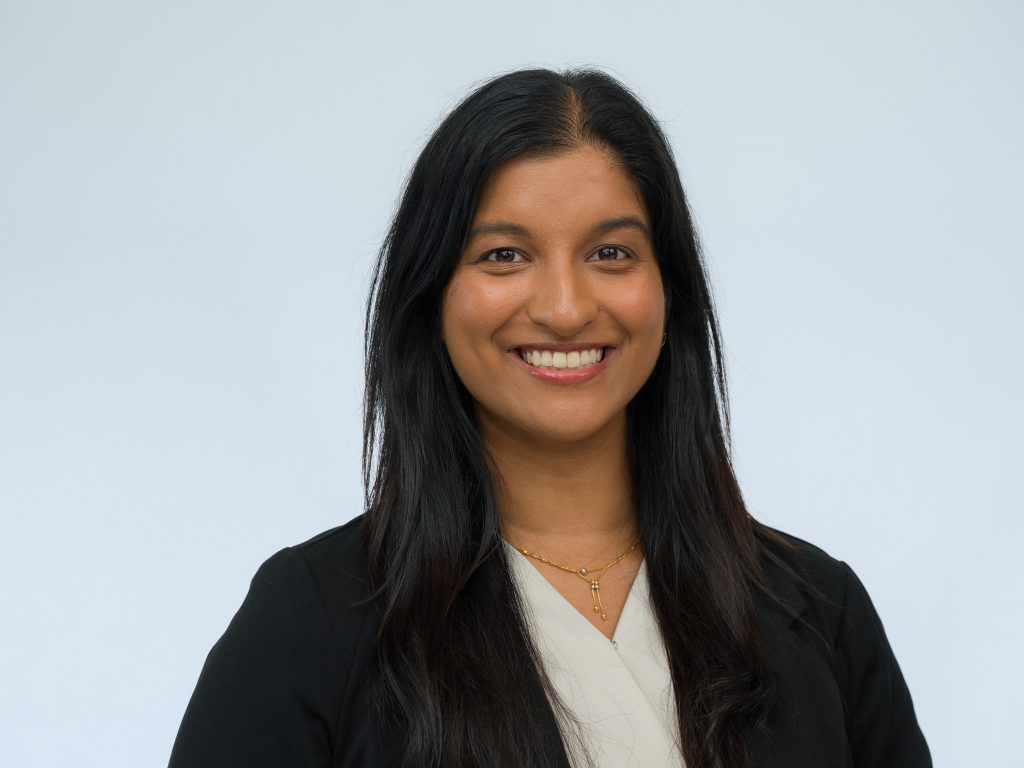
Pooja is a fourth-year medical student at Columbia University Vagelos College of Physicians & Surgeons applying to internal medicine residency. She’s been an MCAT instructor with Blueprint since 2020 and has tutored in the sciences since 2018. A Boston University graduate in Human Physiology, she also spent a year as a fellow on the CDC’s COVID-19 response. Pooja is passionate about equity in medical education and hosts this podcast to share mentorship-style advice with future physicians. She loves helping students discover how they learn best — and using that to help them reach their full potential. Outside of medicine, she enjoys musical theater, running, fitness, and cooking with friends.
Enjoy the Show?
Don’t forget to listen and subscribe on Spotify and Apple Podcasts.
No matter where you are in your premed journey, Blueprint MCAT is here to help when you’re ready to take the MCAT. Whether you need the flexibility of a Self-Paced Course, the instruction of a live 515+ Course, or the 1:1 attention of a private MCAT tutor, Blueprint MCAT has the MCAT prep option that works for your learning style!
Get started with a free MCAT diagnostic, one free practice exam, and tons more MCAT prep resources.